Sports Physiotherapy in Singapore
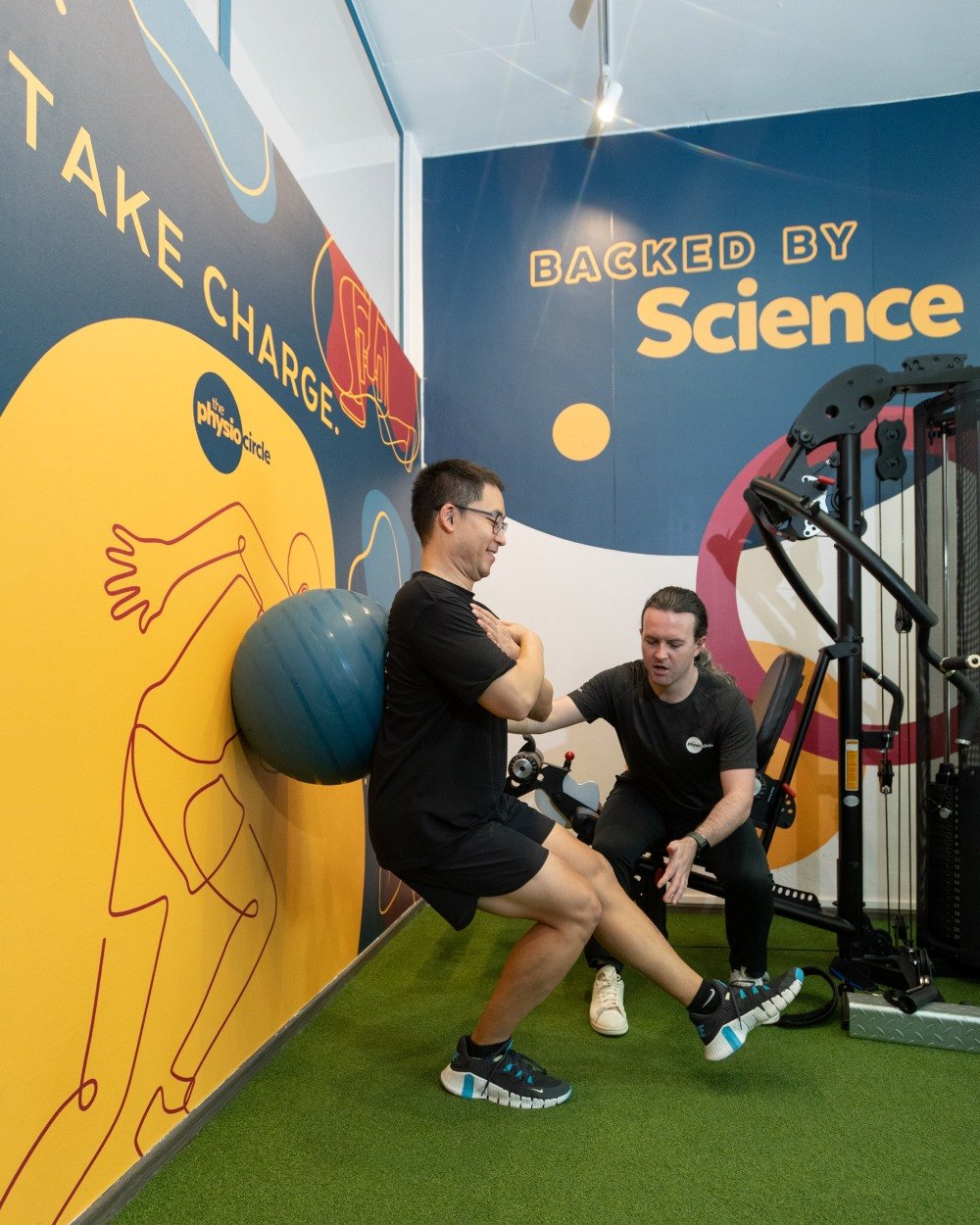
Our sports injury physiotherapy programmes start with an assessment of your muscle tone, joint movement, and the way your body moves and coordinates under load. From there, we build a recovery plan around your sport, not just your symptoms, so you can return to it with confidence.
Play Sports Without Fear
Niggles, tight muscles, and old ankle sprains can hold you back from training the way you want to. Our sports physiotherapists work with you to understand what’s happening, address the cause, and get you back to the activity you enjoy.
How Sports Physiotherapy Can Help
Sports injury physiotherapy is not just about reducing pain. It is about understanding what your body can tolerate, addressing the factors that are relevant to your injury and progressively rebuilding your strength, movement and capacity.
Injury Prevention
Progressive Recovery
Performance Enhancement
Personalised Care
Every programme is built around your sport, your goals, and your stage of recovery.
Sports Injuries We Treat
Sports injuries can develop suddenly, such as an ankle sprain during a change of direction, or gradually as your training load exceeds your current capacity. Our sports injury physiotherapy approach is tailored to the nature of the injury and the demands you need to return to.
Acute Injuries
Acute injuries occur following a specific incident, such as a fall, collision, landing or sudden change of direction.
- Muscle strains: Injuries involving muscle or tendon tissue, commonly affecting the hamstring, quadriceps, calf and groin.
- Ligament sprains: Injuries to the ligaments around a joint, such as ankle, knee or wrist sprains.
- Dislocations: When a joint is forced out of its normal position. These require appropriate medical assessment and may require rehabilitation following reduction or surgery.
- Fractures: Broken bones that require appropriate medical management, followed by physiotherapy when rehabilitation is indicated.
Overuse and Load-Related Injuries
These injuries often develop gradually when the demands placed on a tissue exceed its current capacity to tolerate load.
- Shin pain and medial tibial stress syndrome: Common running-related problems that can occur following changes in training load or impact.
- Tendinopathy: Pain and reduced function associated with a tendon that is not tolerating its current load. Rehabilitation typically involves progressive loading alongside appropriate management of training demands.
- Patellofemoral pain: Pain around or behind the kneecap that can be associated with running, jumping, squatting and other activities.
- Running-related injuries: A range of lower-limb problems that can be influenced by training load, strength, recovery and other individual factors.
Injury by Body Region
- Knee injuries: ACL, MCL, PCL and meniscus injuries, as well as runner’s knee and jumper’s knee.
- Ankle sprains: From mild ligament strains to more severe tears affecting stability.
- Shoulder injuries: Rotator cuff tears, instability, and frozen shoulder, all of which affect overhead movement.
- Elbow injuries: Tennis elbow, golfer’s elbow, and other repetitive strain injuries.
- Lower back strains: Muscle and joint strain from overload or poor movement patterns under fatigue.
Physiotherapy for Your Sport
Running
Running injuries usually come from a spike in weekly mileage, a change in surface, or worn-out footwear. Runner’s knee and shin splints are the most common. Sports physiotherapy can help with running-related injuries by assessing your symptoms, training load, strength and capacity, then progressively rebuilding your ability to tolerate running.
Football and Field Sports
Football and other field sports involve sprinting, acceleration, deceleration, cutting, jumping and contact. Rehabilitation may include progressive strength work, running exposure, change-of-direction training and sport-specific drills before returning to unrestricted play.
Racquet Sports: Tennis, Badminton, Padel and Pickleball
Golf
The golf swing’s rotational load concentrates through the lower back and lead-side wrist and elbow. We work on rotational mobility and swing-specific strength to reduce repeat strain.
Gym, CrossFit and HYROX
Strength and conditioning sports can involve high training volumes and substantial loads. We can help you modify training where needed while progressively rebuilding the strength, capacity and movement skills required for your training.
Court Sports: Basketball, Netball, Volleyball
Court sports involve repeated jumping, landing, acceleration and changes of direction. Rehabilitation may include progressive lower-limb strength, landing and movement drills, running, jumping and sport-specific conditioning.
How Our Sports Physiotherapists Treat You
Your treatment plan draws on a mix of hands-on and active techniques, matched to your injury, sport, and stage of recovery.
Injury Assessment and Diagnosis
A thorough evaluation of your injury, movement patterns, and medical history, used to build a recovery plan tailored to your sport and goals.
Manual Therapy and Soft Tissue Work
Dry Needling
Dry needling may be used as an adjunct to exercise-based rehabilitation for selected patients where it may help with pain or muscle-related symptoms.
Sports Taping and Bracing
Taping or bracing can sometimes provide short-term support, symptom relief or confidence while you continue to build strength and capacity.
Progressive Strength and Rehab Programming
Progressive exercise is a central part of sports injury physiotherapy. We gradually increase resistance, volume, speed, complexity or sport-specific demands according to your capacity and goals.
Sports Massage
Targeted soft tissue work to support recovery and manage muscle tightness between training sessions, available as part of our sports massage service.
Your Return-to-Sport Pathway
Returning to sport is a progression rather than a single event. The exact process depends on your injury, treatment and sport, but rehabilitation generally moves from restoring basic function towards the specific physical demands of your activity.
Stage 1: Manage Symptoms and Restore Basic Function
Early rehabilitation focuses on managing symptoms and maintaining or restoring appropriate movement while introducing activity within your current capacity.
Stage 2: Restore Range and Movement Quality
As symptoms allow, we progressively restore range of motion and rebuild strength around the affected area.
Stage 3: Rebuild Strength and Load Tolerance
This stage restores strength in the affected area through progressive loading. You move forward once that strength sits within a safe range of your uninjured side.
Stage 4: Sport-specific Conditioning
Training shifts toward the power, agility, and endurance your sport actually demands. You’re ready for the final stage once you can complete training-intensity drills without symptoms.
Stage 5: Return-to-sport Clearance
The last stage confirms you’re ready for full, unrestricted training and competition, based on passing your return-to-sport testing.
How We Clear You to Return to Sport
Return-to-sport decisions are based on objective testing, not just how you feel. We commonly assess:
- Strength symmetry: Comparing the injured side against the uninjured side, generally aiming for at least 90% symmetry, a widely used benchmark in sports rehabilitation.
- A hop test battery: Single-leg hop, triple hop, and crossover hop for distance, measuring power and control on the injured side.
- Functional testing under fatigue: Checking that movement quality holds up once you’re tired, since most reinjuries happen late in a session.
- Sport-specific drill completion: Running, cutting, or sport-specific movements performed at full intensity without symptoms
These are general benchmarks used across sports rehabilitation; your physiotherapist will confirm what applies to your specific injury and sport.
Sports Injury Recovery Timelines
|
Injury |
Typical Timeline |
|
Ankle sprain |
2–6 weeks, depending on severity; more significant ligament injuries may take longer |
|
Hamstring strain |
2–8 weeks, depending on severity; higher-grade strains may take several months |
|
Shin splints |
4–8 weeks, depending on severity and response to load management |
|
Tendinopathy |
Several weeks to several months; recovery depends on the tendon involved, severity and response to progressive loading |
|
Post-surgical sports injuries |
Several months, depending on the procedure; some, such as ACL reconstruction, may require 9–12 months or longer for return to sport |
These timelines are general guides rather than fixed recovery dates. Recovery depends on the type and severity of the injury, the demands of your sport, and how you respond to rehabilitation. Your physiotherapist can help guide your progression and return to sport.
What to Expect at Your First Session
Your first session starts with a conversation about your injury, your sport, and your goals, followed by a physical assessment of movement, strength, and function in the affected area. You’ll leave with a working diagnosis, a clear plan for the weeks ahead, and, where appropriate, exercises to start on straight away.
Meet Our Sports Physiotherapists
Our physiotherapists are registered with the Allied Health Professions Council in Singapore, with experience across hospital and private practice settings.
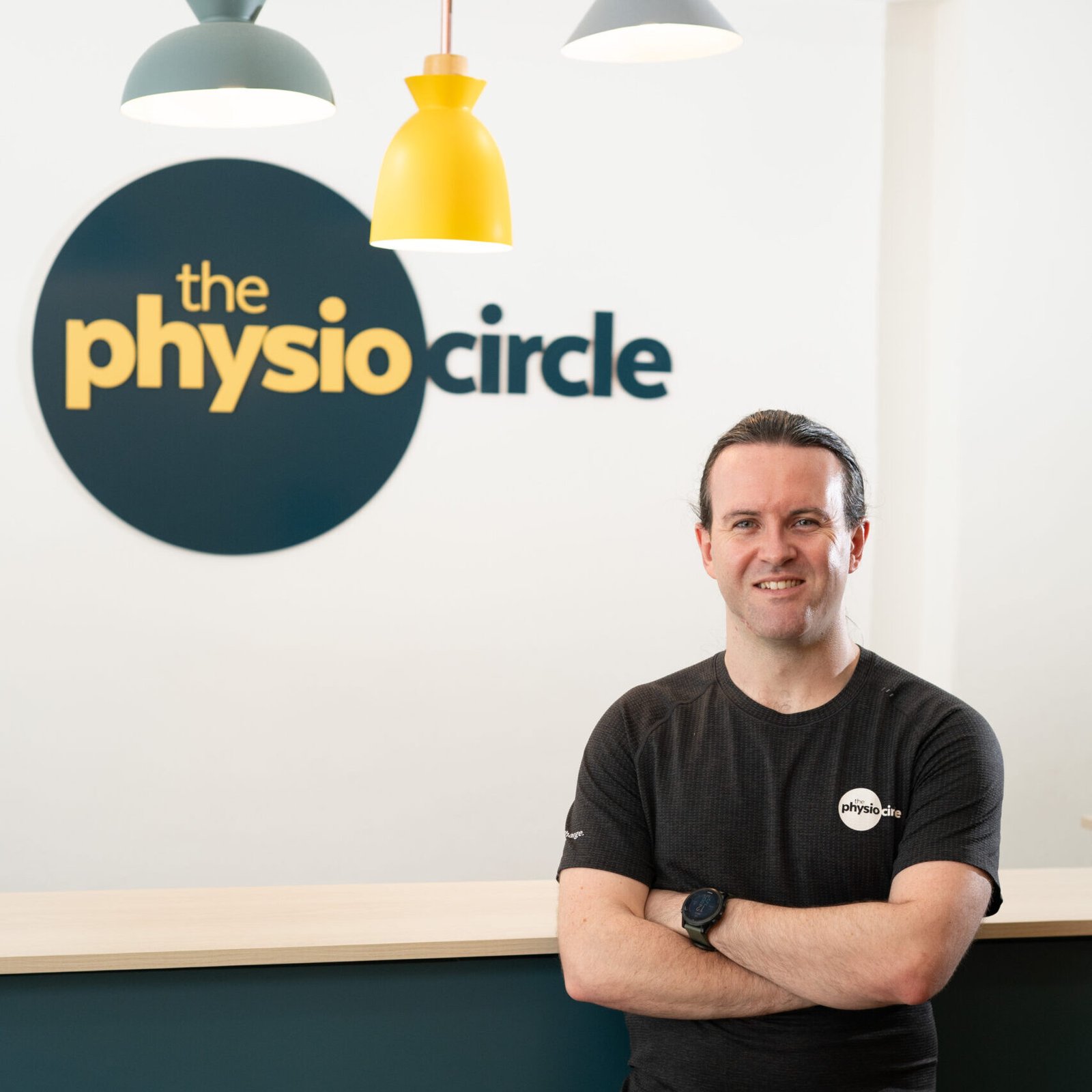
Conor Walsh
Senior Physiotherapist
Conor Walsh
Senior Physiotherapist
BSc (Physio.)
Trinity College Dublin
AHPC Registered
Conor graduated with honours from Trinity College Dublin in 2015. During his time at university he was awarded the Foundation Scholarship and was active as a student member of the Irish Society of Chartered Physiotherapists, assisting at various events including the ISCP Annual Conference and the Dublin City Marathon.
After moving to Singapore in 2016 he worked three years in Changi General Hospital gaining invaluable experience in Orthopaedics, Neurological Rehab, ICU and outpatient settings before specialising in Sports Medicine in 2017, where he was responsible for auditing the ACL post-operative rehabilitation protocol.
Since 2019 Conor has worked in private practice and has established himself in treating a wide range of conditions across all ages, especially post-surgical cases, running injuries, chronic lower back pain and other lower limb injuries. He is a triple certified GEMt Dry Needling therapist and uses this in combination with other treatment modalities like manual therapy and exercise therapy to deliver holistic and evidence-based treatment to his patients.
Outside of clinical practice, Conor is a keen Gaelic footballer, hurler and soccer player. Keen to broaden his professional development further he recently completed a Masters in Business Administration with the University of Manchester.
He is also a musician and can often be found gigging with one of his two bands somewhere on the island.
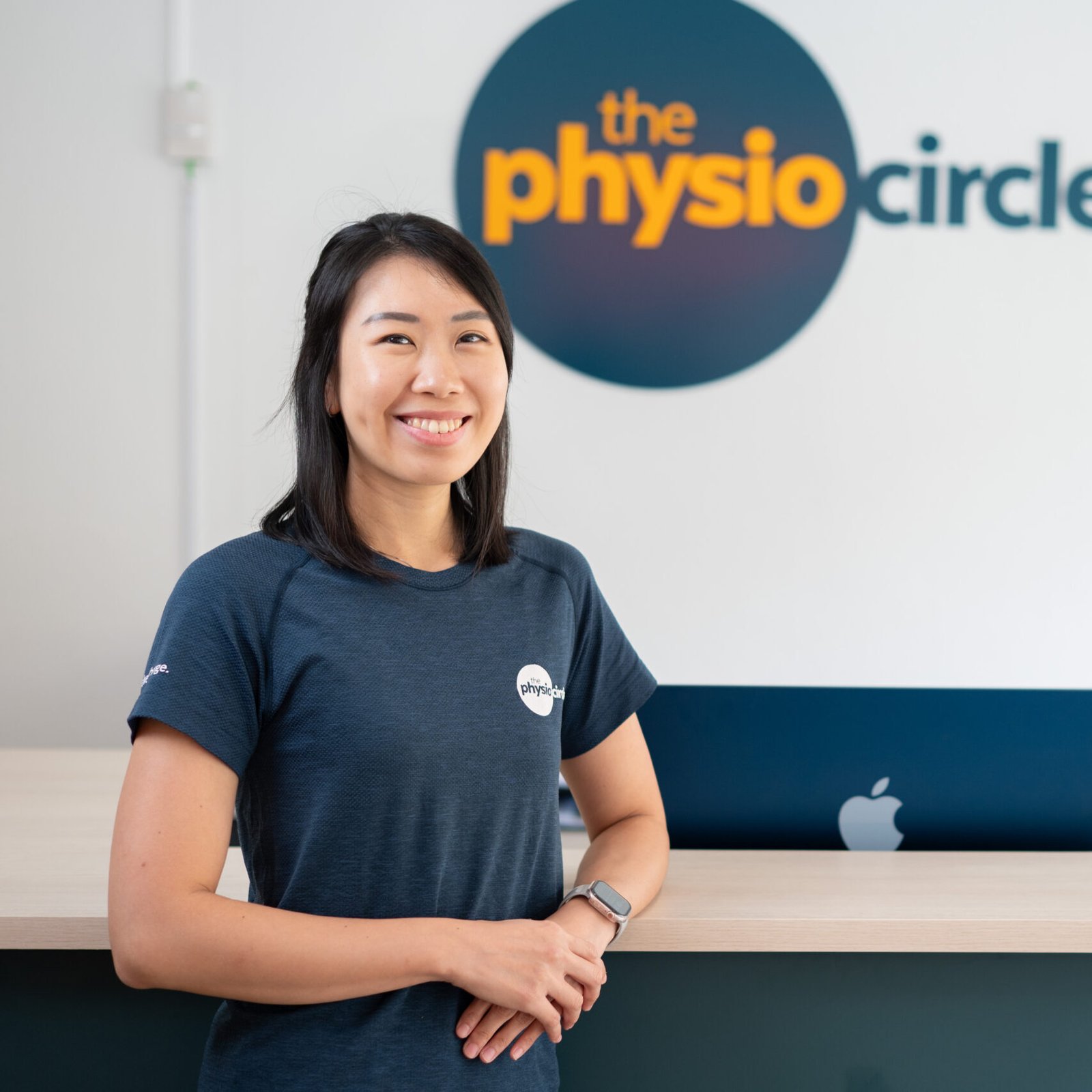
Debra Ow
Senior Physiotherapist
Debra Ow
Senior Physiotherapist
BSc (Hons) Physiotherapy (SIT)
AHPC Registered
Debra has more than 10 years of clinical experience in both public and private healthcare settings, specialising in sports injury management and neurological rehabilitation. She first worked at Tan Tock Seng Hospital (TTSH) for 7 years, where she had the opportunity to lead a multidisciplinary care team supporting frail patients in their transition from hospital back into the community.
She later joined St Luke’s ElderCare, further strengthening her expertise across the full spectrum of rehabilitation. There, she managed an array of musculoskeletal, neurological, and orthopaedic conditions. She also worked closely with community partners to curate exercise programmes and conducted public talks on frailty and healthy ageing.
Before joining The Physio Circle, Debra worked in a private clinic focusing on musculoskeletal and sports rehabilitation, where she gained further experience managing post-operative orthopaedic cases and helping patients return safely to work, sport, and daily activities.
In 2022, Debra was certified in Clinical Pilates under Smart Movement International, and has since been actively incorporating Pilates into her rehabilitation approach to facilitate recovery. Her Personal Trainer certification also enables her to curate effective recovery programmes for different populations.
Outside of work, Debra enjoys strength training at the gym and practising Pilates. She also indulges in bubble tea now and then, as she believes life is meant to be lived.
Relevant Certifications:
✅Clinical Educator (SIT)
✅ACE Certified Personal Trainer
✅EBFA Neurosensory Specialist
✅APA Dry Needling
✅Clinical Pilates
Daniel Tan
Senior Physiotherapist
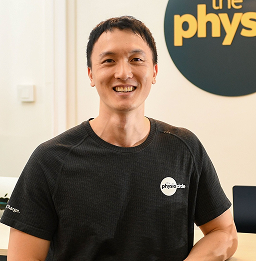
Daniel Tan
Senior Physiotherapist
BSc (Hons) Physiotherapy
Glasgow Caledonian University
AHPC Registered
Daniel graduated with a BSc Honours in Physiotherapy from Glasgow Caledonian University in 2018.
Upon graduation, he started his career as a Physiotherapist at Changi General Hospital, where he worked with patients of different age groups (teenagers to the elderly).
In this time, he gained a valuable range of experience in cardiopulmonary, orthopaedic, geriatric, neurological as well as pre-and post-operative musculoskeletal and sports rehabilitation. With a vast experience as a triathlete and a weightlifter, Daniel has had personal encounters with injury and thereafter the recovery process to return to sport. These experiences have armed him with passion and understanding to help empower people in overcoming their injuries and to maximise their potential.
Daniel believes in a holistic approach that combines first principles thinking and evidence-based treatment to not only improve quality of life but to also help his patients on their recovery journey and ultimately, achieve their goals.
Outside of TPC, Daniel enjoys a good book and a cup of coffee when not training at the gym.
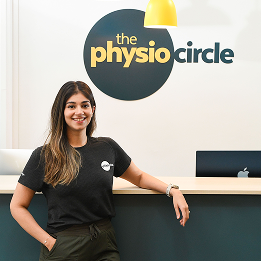
Kajal Kirpalani
Senior Physiotherapist
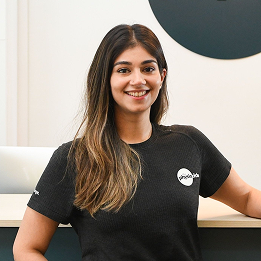
Kajal Kirpalani
Senior Physiotherapist
BSc Physiotherapy
Curtin University
AHPC Registered
Kajal graduated with a Bachelor of Science in Physiotherapy from Curtin University in 2020. She began her career in private practice, focusing on post-surgical rehabilitation and musculoskeletal injuries from sports and accidents. Through working alongside experienced physiotherapists, Kajal refined her practice, embracing a holistic approach to managing her patients.
Kajal believes in empowering and encouraging her patients to have a positive and proactive mindset throughout their rehabilitation journey. On top of this, she also places high importance on educating her patients to understand their bodies, the way it moves and how to manage their rehabilitation.
Having dabbled in various sports throughout her life, Kajal understands the specific demands of different activities and tailors her treatment plans to help athletes return to their sport safely and effectively. She is a firm believer in lifelong learning and continuously seeks to enhance her skills. Kajal has completed clinical courses on shoulder injuries, tendinopathies, and communication skills to improve therapeutic alliance building between her and her patients.
She is also a fully certified STOTT Pilates instructor and enjoys integrating Pilates principles into her rehabilitation sessions.
Outside of physiotherapy, Kajal is an avid bookworm, loves to cook and engages in strength training, pilates, boxing and running.
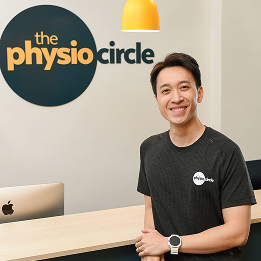
Isaac Tai
Senior Physiotherapist
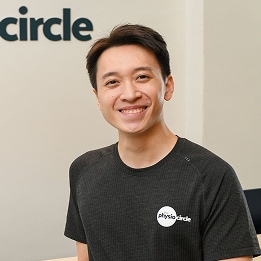
Isaac Tai
Senior Physiotherapist
BSc (Hons) Physiotherapy
Curtin University
AHPC Registered
Isaac graduated with a Bachelor of Science in Physiotherapy from Curtin University in 2020.
Even before graduation, he worked as a sports trainer with Australian football and rugby clubs. Upon graduation, he cut his teeth in musculoskeletal physiotherapy with a focus on sports and post-surgical rehabilitation in the private sector. Working alongside, and being trained by, veteran physiotherapists provided invaluable insight into innovative ways of engaging patients and helping them achieve their rehabilitation goals.
With independence and self-management in mind, Isaac works with his patients to uncover the cause of their problems and find a sustainable solution that works for them. A firm believer in education, he seeks first to understand his patient’s goals, then helps them understand how they can achieve these goals by sharing knowledge and developing an individualised treatment plan with them.
Through a tailored programme of strengthening and conditioning exercises, manual therapy and trigger point dry needling, Isaac works with his patients to get them back into their regular functional activities and prevent the recurrence of their pain.
Outside of his time in the clinic, Isaac enjoys recreational boxing, HIIT, running and badminton. When he hits the gym, he prefers his workouts be set to the tune of Red Hot Chili Peppers or Arctic Monkeys. His other joy is experimental cooking and baking in the kitchen on the weekends.
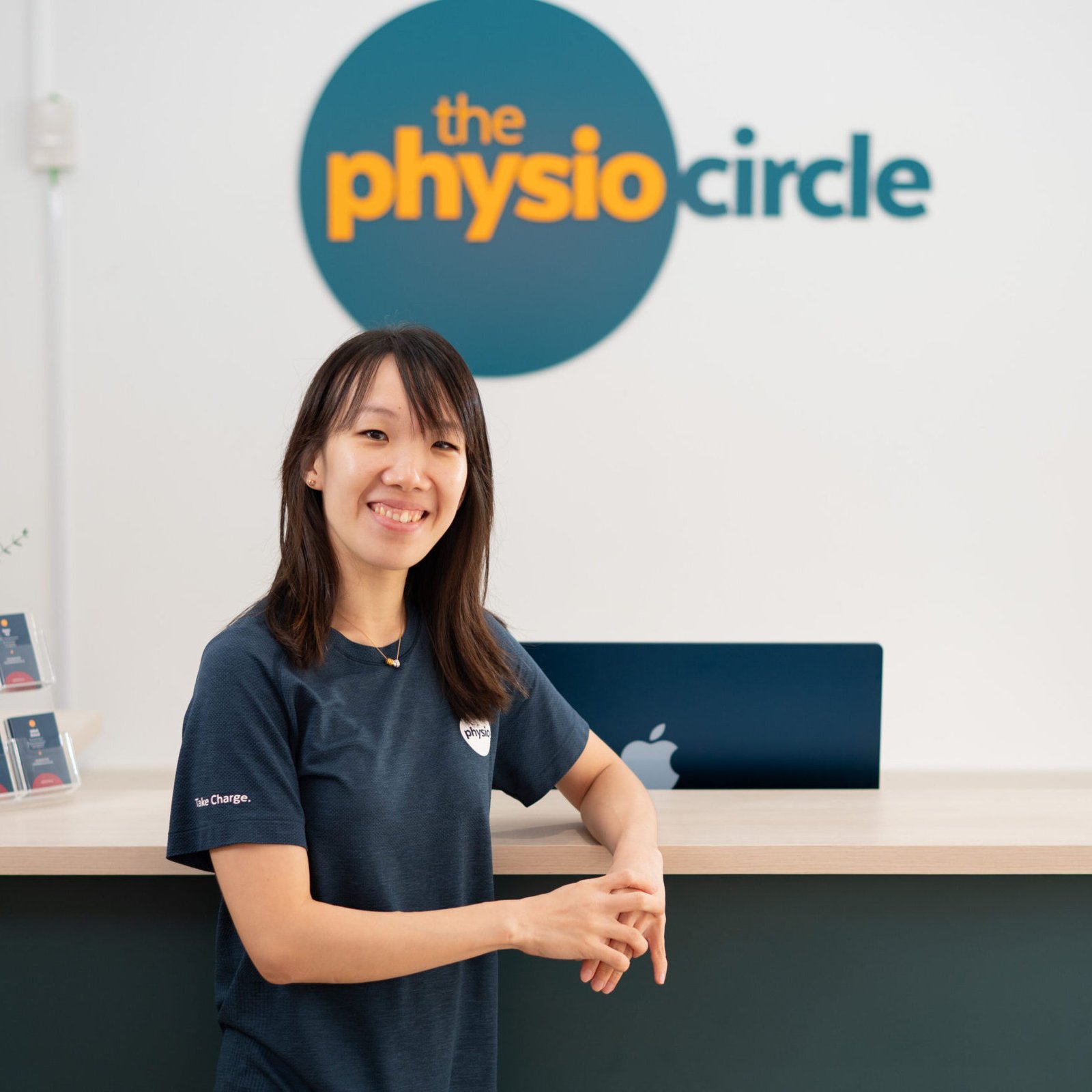
Magdalene Teng
Senior Physiotherapist
Magdalene Teng
Senior Physiotherapist
BPhysio (Hons), MClinPhysio
Curtin University
AHPC Registered
Magdalene is a physiotherapist who believes in challenging outdated norms, debunking common rehab myths, and empowering patients with the knowledge they need to take charge of their recovery. With over 15 years of experience across public and private healthcare, she combines strong clinical expertise with genuine care for each person who walks through her door.
She graduated with a Bachelor of Physiotherapy (Honours) from the University of South Australia, and later completed a specialist Master’s degree in Musculoskeletal Physiotherapy at Curtin University. Her career has included working with a wide variety of musculoskeletal conditions, mentoring emerging physiotherapists, and supporting national-team athletes and sports players. She previously served as clinical team lead in the KTPH Inpatient Orthopaedic Team and Extended Diagnostic Treatment Unit (EDTU), where she drove early discharge pathways, and co-managed the Outpatient Trauma Clinic.
What drives Magdalene is the full rehabilitation journey – guiding patients from early mobility challenges back to confident activity and sports participation. She thrives in advanced sports rehabilitation, tailoring each session creatively to meet individual goals. With specialised training in running mechanics and performance science, she has a strong passion for working with long-distance runners and marathoners, helping them continue training safely, reduce pain, and optimise performance, making her our in-house knee physio specialist.
Magdalene is skilled in managing running-related injuries, complex back pain, and lower-limb conditions. She also has extensive experience in post-operative rehabilitation, including ACL and ligament reconstruction/repair, meniscus and cartilage repair, shoulder surgeries, and total knee replacements. Her diagnostic approach is grounded in the Musculoskeletal Clinical Translation Framework,allowing her to identify movement impairments, contributing factors, and rehab priorities with precision. This structured approach, combined with a biopsychosocial perspective, enables her to guide patients who may have plateaued elsewhere toward clearer understanding and meaningful progress.
A firm believer in continuous learning, Magdalene consistently upgrades her skills to stay evidence-based and relevant. Having experienced shoulder and lower-limb injuries herself, she understands the frustration and uncertainty that come with being sidelined by pain. This personal insight shapes her caring, righteous, and patient-first approach – she advocates for her patients the way she would want someone to advocate for her.
Outside the clinic, she enjoys running, experimenting with new workouts around the neighbourhood, boxing fitness classes, and listening to personal development podcasts.
Magdalene believes that every patient deserves a pair of attentive, skilled, and genuinely caring hands to guide them back to the activities and sports they love.
Publications
Caneiro, J. P., et al. (2019). Physiotherapists implicitly evaluate bending and lifting with a round back as dangerous. Musculoskeletal Science and Practice, 39, 107–114.
Maheen Gul
Senior Physiotherapist
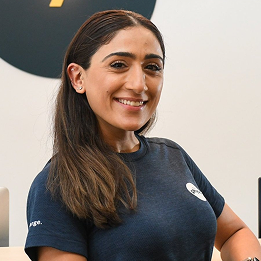
Maheen Gul
Senior Physiotherapist
BSc (Hons) Physiotherapy
King’s College London
AHPC Registered
Maheen graduated with a BSc Honours in Physiotherapy from King’s College London and moved to Singapore in 2012. She began her career in a rehabilitation hospital, treating neurological and musculoskeletal conditions, before transitioning to private practice in 2015 to focus on musculoskeletal and sports injuries. With over a decade of experience in both surgical and non-surgical cases, Maheen has worked with patients recovering from spinal surgeries, knee and ankle ligament reconstructions, shoulder surgeries, and those managing sports injuries, chronic pain, and everyday aches.
Maheen takes a holistic approach to treatment, combining manual techniques with tailored exercise programs to address the root cause of the issue and prevent future injuries. Her goal is to help patients regain their strength, mobility, and confidence—enabling them to return to the activities they love and live life to the fullest.
Maheen is also trained in reformer pilates and trigger point dry needling, which she integrates into her treatments to address specific musculoskeletal issues.
An active individual herself, Maheen enjoys strength training, running, yoga and pilates. She has participated in events such as marathons and half marathons, Hyrox, Spartans and Urbanathlon. Outside of work, Maheen loves spending time with family (and her dog Albert), traveling, and making lasting memories with loved ones.
Sports Physiotherapy Cost in Singapore
Initial Physiotherapy Assessment and Treatment
(45 minutes)
$230
Follow-up Consultation and Treatment
(45 minutes)
$210
Visit our service fees page for full details.
Insurance, Corporate Claims and Referrals
No doctor’s referral is needed to book a sports physiotherapy session in Singapore. Many insurance plans cover outpatient physiotherapy, though coverage varies by provider and policy. Check directly with your insurance provider or employee benefits scheme, including any pre-authorisation requirements, before your first session.
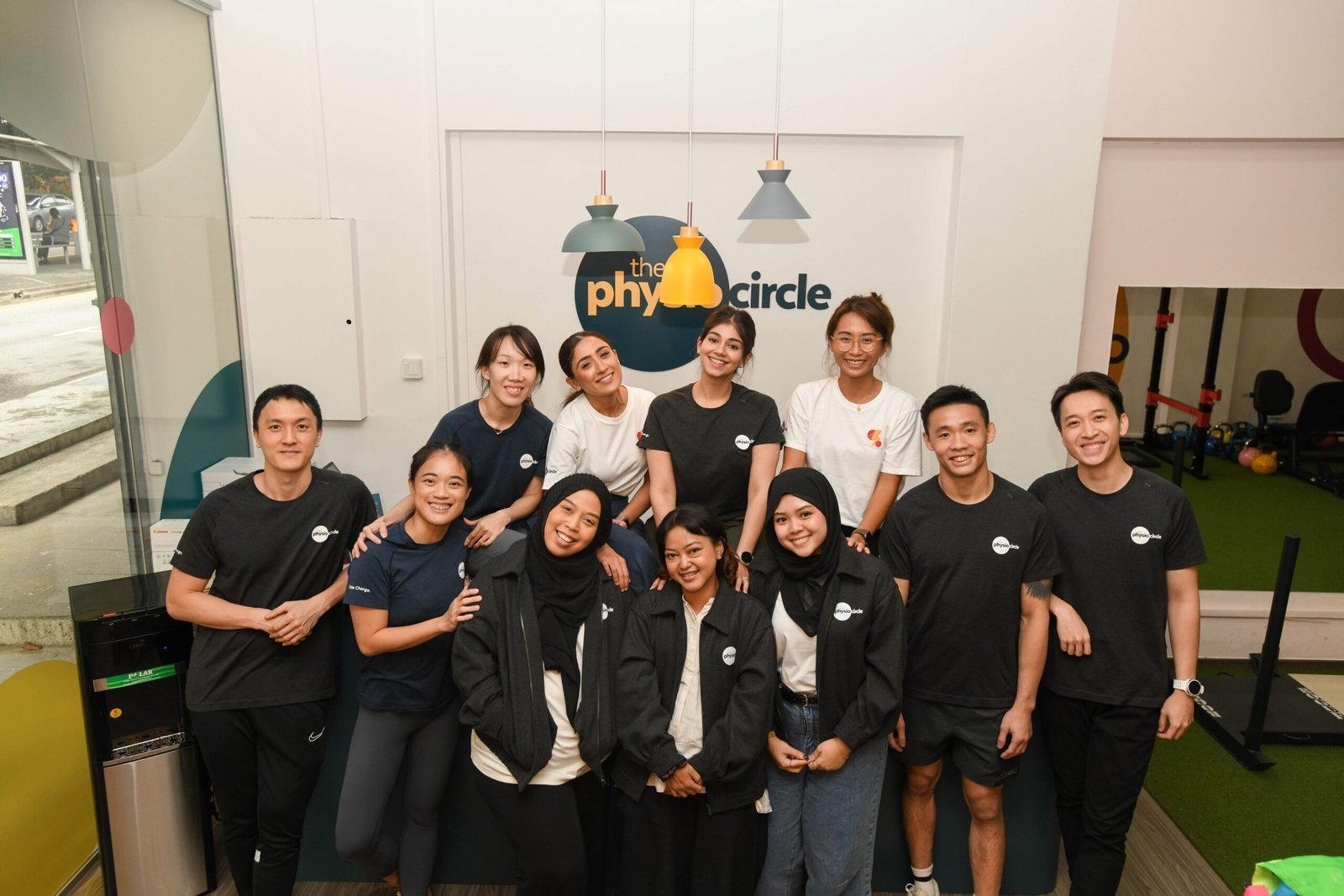
Why Choose The Physio Circle for Sports Physiotherapy
In-House Rehab Gym
Our clinics include an on-site strength and conditioning space to support your rehab.
Full In-House Ecosystem
Physiotherapy, strength and conditioning, mindful mobility, and VALD strength testing are all available under one roof.
Multiple Clinics Across Singapore
Book at our Serangoon, Bukit Timah, or Outram (appointment only) clinics, whichever fits your training schedule.
Evening and Weekend Availability
We’re open until 8pm Monday to Thursday and on Saturday mornings, so sessions can fit around training and work.
What People Say
Hear what people say about their experiences with sports physiotherapy at The Physio Circle.
Posted on Google
 Thanh DoanJune 30, 2025
 I’ve spent the past 6 months here rehabbing my right ankle after surgery, and I can confidently say this place has played a huge part in getting me back on my feet — literally. From day one, the team was professional, patient, and incredibly knowledgeable. My physiotherapist Magdalene took the time to understand my condition, set realistic goals, and adjust the program as I progressed. Each session was focused and encouraging, with just the right balance of pushing limits while respecting recovery pace. The facility is well-equipped, clean, and has a calm, supportive atmosphere — something I came to really appreciate during the ups and downs of rehab. I’ve gone from struggling to walk without pain to regaining strength, confidence, and mobility — and I couldn’t have done it without their guidance. Highly recommend for anyone needing structured, caring, and results-driven physiotherapy.Posted on Google
 Jeeviyan GopalJune 28, 2025After a disappointing experience with physiotherapy at a government hospital, I decided to switch to The Physio Circle — and I’m so glad I did. Under Magdalene’s care for the past 3 months, I’ve made remarkable progress in my recovery from ACL reconstruction surgery. She tailored a specialised rehabilitation program that focused on restoring my muscle strength and agility. Every session felt personalised and purposeful, and her dedication, knowledge, and encouragement made a world of difference. Thank you, Magdalene, for your professionalism and genuine care. I finally feel like I’m on the right path to full recovery!Posted on Google
 Kumar EswaranJune 22, 20255 Stars – Highly Recommended! I recently had the unfortunate experience of spraining my ankle (high grade ligament tear), and I’m incredibly grateful to have found Magdalene to guide me through the recovery process. From the very first session, she made me feel at ease with a clear treatment plan, a positive attitude, and expert knowledge. Each appointment was tailored to my needs and progress. The exercises were effective yet manageable, and she took the time to explain the “why” behind every movement, which made a big difference in my motivation and understanding. I especially appreciated the encouragement and patience throughout – it made the whole experience feel much more personal and empowering. Thanks to, Magdalene I’m now back on my feet. I would highly recommend her to anyone needing physiotherapy, whether for a sprained ankle or anything else.Posted on Google
 sajjad lorestaniJune 19, 2025Magdalene at Physio Circle was excellent. She was attentive throughout the session, listened carefully, and clearly knew her stuff. I felt in good hands the whole time . highly recommend her if you’re after someone knowledgeable and professional.Posted on Google
 Ken Li TanJune 1, 2025I highly recommend magdalene! Not only was she very experienced, she was also very patient and understanding. She has helped my lower back tremendously and I can't thank her enough ❤️Posted on Google
 Sze Li TauMay 26, 2025Magdalene is my physiotherapist and she's wonderful. I can't thank her enough for helping me resolve my issues with my back and neck. I actually look forward to sessions with her because I feel very relieved and good after each session. She's very professional and she wastes no time for each session, making sure each of my session is effective👏 I am very grateful to her. Thanks Magdalene! 😄👍Posted on Google
 #among us LoverMay 21, 2025My physiotherapist was Kajal, she was so nice and helpful and really helped me understand what was wrong with my arm before providing a doable and viable solution. The exercises she recommended for rehab really helped and I’ve seen a lot of improvements since 👍😃Posted on Google
 Xiaozhou CMay 21, 2025Kajal helped me a lot during my recoveries on my back and wrist injuries, patient and guiding. She provides not just the professional advice but also shows concerns and follow-up cares and text/videos of my recovery exercises. I would definitely recommend!Posted on Google
 Larson OngMay 21, 2025I have been seeing Kajal at The Physio Circle for my elbow since 2024. She is attentive, friendly and always follows up with my exercises throughout my recovery journey. The clinic is clean and the equipment are well maintained as well. Highly recommended 💪👍👏Posted on Google
 Natasha JaffarMay 16, 2025I injured my back lifting heavy weights at the gym. My doctor referred me to Maheen at Physiocircle and I cannot recommend her enough. I’m happy to report that I’m now pain free. Disc herniations can be extremely painful but under the right care, one can make a full recovery.
Book Your Sports Physiotherapy Session Today
An assessment with our team will give you a clear picture of your injury and what your recovery should focus on.
Find Our Sports Physiotherapy Clinics
Visit us at our Serangoon, Bukit Timah, or Outram (appointment only) clinics.
Frequently Asked Questions About Sports Physiotherapy
What kinds of injuries do sports physiotherapists treat?
We treat a wide range of musculoskeletal and sports-related injuries affecting muscles, tendons, joints and ligaments. This includes acute injuries such as sprains and strains, as well as persistent and load-related conditions.
Do I need a doctor’s referral to consult a sports physiotherapist in Singapore?
No referral is necessary. You may consult us directly.
Does insurance cover sports physiotherapy in Singapore?
Many plans cover outpatient physiotherapy, though this depends on your policy. Check directly with your provider to confirm your coverage.
How do I choose the right sports physiotherapy clinic?
Look for a clinic with physiotherapists experienced in your sport, a treatment approach grounded in evidence, and clear return-to-sport testing rather than a vague “you’ll know when you’re ready.”
Can I keep training the rest of my body while my injury heals?
In most cases, yes. Training around an injury, rather than stopping everything, is often part of the plan. Your physiotherapist will confirm what’s safe for your specific injury.
My injury happened months ago, is it too late for physiotherapy?
No. Physiotherapy can still help with pain, function, and movement patterns even if an injury happened a while ago, though the approach may differ from treating it early.
Can I have physiotherapy mid-season without stopping competition?
Sometimes. Depending on the injury and its severity, rehabilitation can often be adapted around training and competition. Your physiotherapist will help you understand what activity is appropriate and how to manage your training load.
Do you work with my coach, trainer or club?
Yes, where useful and with your consent, we can coordinate with your coach or trainer to align your rehab with your training load.
Will physiotherapy hurt?
Some techniques may cause mild, manageable discomfort, but sessions are adapted to keep pain within a tolerable range.
What happens if I stop physiotherapy once the pain goes away?
A reduction in pain is an important part of recovery, but it does not always mean you’ve rebuilt the strength and capacity needed for your sport. Depending on your injury, continuing rehabilitation after symptoms improve may help you safely rebuild those physical demands before returning to full activity.