Knee Pain Physiotherapy in Singapore
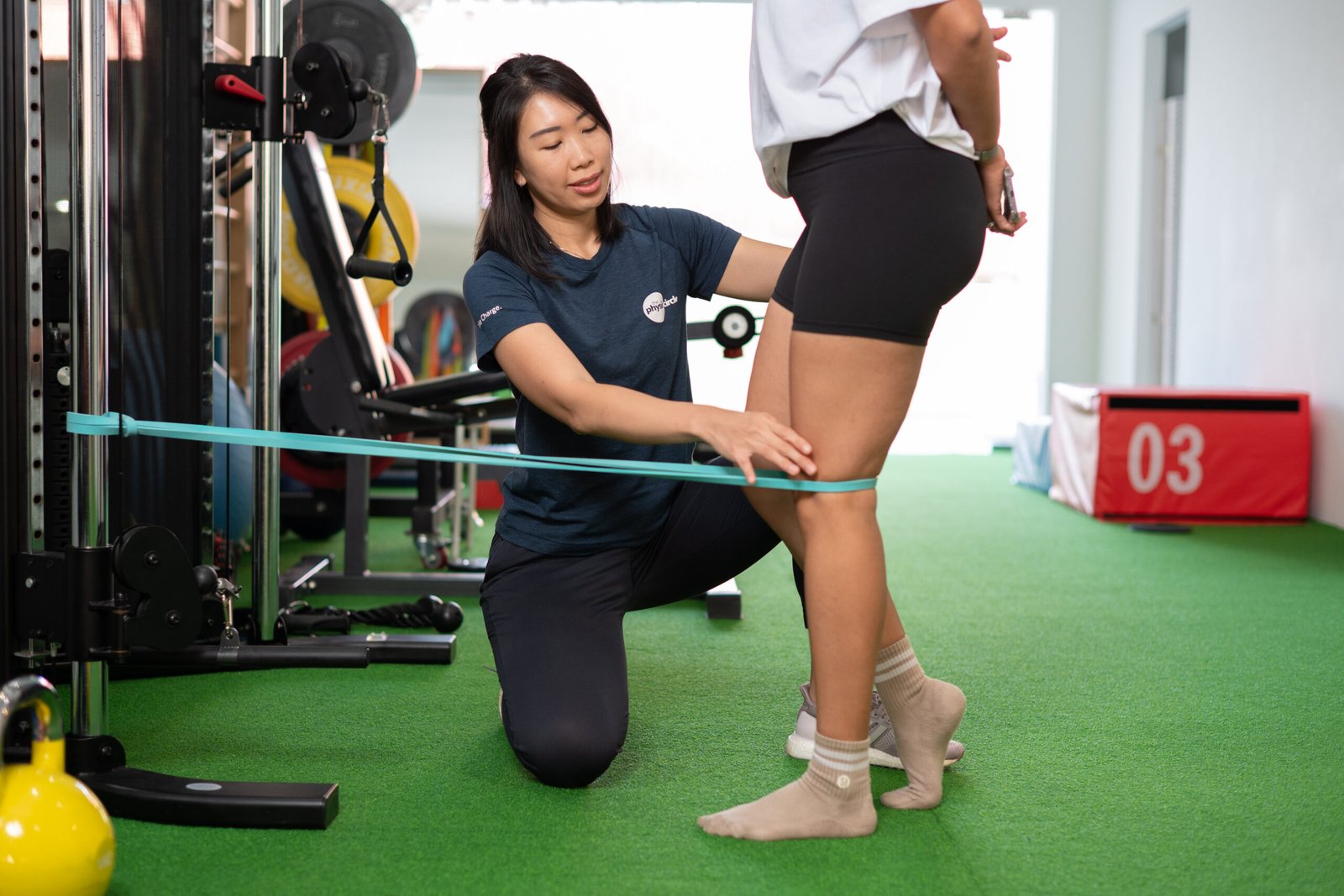
Knee pain can affect anyone, from athletes and active individuals to people who notice discomfort during everyday activities such as walking, climbing stairs, or getting up from a chair. It may develop suddenly after an injury or gradually over time. At The Physio Circle (TPC) in Singapore, our physiotherapy clinic in Singapore strives to provide physio care that not only relieves but addresses the real issues behind your pain.
Table of Contents
- What Is Knee Pain?
- What Are the Symptoms of Knee Pain?
- When Does Knee Pain Need Medical Attention?
- Common Causes of Knee Pain & Injuries
- Risk Factors of Knee Pain
- What Does a Physiotherapist Do for Knee Pain?
- Knee Pain Physiotherapy Process
- Knee Pain Management Options Beyond Physiotherapy
- How Long Does Knee Physiotherapy Take?
- Knee Pain in Singapore: Staying Active in Everyday Life
- Why Choose Our Physiotherapy Clinic for Knee Pain
- Meet Our Knee Physiotherapists
- Cost, Insurance, and Referrals
- Frequently Asked Questions About Knee Pain Physiotherapy
- What People Say
- Book an Appointment Today with Our Knee-Pain Physiotherapists
- Where to Find Our Knee-Pain Physiotherapy Clinic
What Is Knee Pain?
The knee is a complex joint involving the femur (thigh bone), tibia (shin bone), and patella (kneecap). These structures work together with cartilage, the menisci, ligaments, tendons, and surrounding muscles to support movement and manage load.
Knee pain can arise from different structures and conditions. Sometimes there is a clear injury, while in other cases symptoms develop gradually without a single identifiable cause.
Symptoms may include:
- Pain during walking, running, squatting, or climbing stairs
- Swelling or stiffness
- Clicking, popping, or grinding
- A feeling of instability or giving way
- Difficulty bending or straightening the knee
- Reduced confidence using the leg during everyday or sporting activities
A thorough assessment can help determine what may be contributing to your symptoms and whether physiotherapy is appropriate.
What Are the Symptoms of Knee Pain?
Knee pain can present in different ways. The location, behaviour, and circumstances of your symptoms can provide useful information, but symptoms alone do not always identify the underlying cause.
Sharp, Dull, or Aching Pain
Pain may be sharp, aching, intermittent, or persistent. Your physiotherapist will consider when your symptoms occur, what activities aggravate or ease them, and how they behave over time as part of the assessment.
Swelling, Warmth, and Stiffness
Swelling and stiffness can occur after an injury or with a range of knee conditions. Sudden or significant swelling following trauma should be assessed, particularly if it occurs alongside severe pain, instability, or difficulty bearing weight.
Clicking, Popping, or Grinding
Clicking or grinding without pain is common and does not necessarily indicate damage. However, new symptoms following an injury, particularly when accompanied by pain, swelling, locking, or instability, may require further assessment.
Instability or the Knee Giving Way
A sensation of instability or repeated giving way can occur for different reasons. If your knee repeatedly buckles or feels unstable, an assessment can help determine the appropriate next steps.
Difficulty With Stairs, Squatting,
or Getting Up
Activities that involve repeated knee bending can aggravate a range of knee conditions. Your physiotherapist will assess how your symptoms respond to different movements and loads rather than relying on one activity alone to determine the cause.
When Does Knee Pain Need Medical Attention?
- A significant injury with an obvious deformity
- Inability to bear weight after an injury
- Severe or rapidly increasing swelling
- A knee that is locked and cannot move normally
- Severe pain following trauma
- Fever or feeling unwell alongside a hot, red, and swollen joint
- New or concerning symptoms that are rapidly worsening
Your physiotherapist will also screen for signs that may require medical review or referral.
Common Causes of Knee Pain & Injuries
The pattern of your symptoms is often a useful clue to what’s behind them.
Patellofemoral Pain Syndrome (Runner's Knee)
Often referred to as runner’s knee, patellofemoral pain is usually felt around or behind the kneecap and may be aggravated by activities such as running, stairs, squatting, or prolonged sitting.
Management often involves education, appropriate activity modification, and progressive exercise to improve your tolerance to the activities that currently provoke symptoms. Read more in our guide to runner’s knee.
Knee Osteoarthritis
Knee osteoarthritis involves changes to the joint and can be associated with pain, stiffness, and reduced function. Symptoms and X-ray findings do not always match, so imaging findings alone do not determine how much pain someone experiences.
Physiotherapy can help you manage symptoms and improve strength, mobility, and physical function through education and an appropriate exercise programme.
Patellar Tendinopathy (Jumper's Knee)
Patellar tendinopathy is a tendon-related condition often associated with jumping and other activities that place repeated load through the patellar tendon.
Rehabilitation commonly focuses on progressively building the tendon’s capacity to tolerate load while managing the demands of sport and exercise.
Meniscus Tears
Meniscus injuries can occur following trauma, particularly twisting movements, or develop gradually over time. Not all meniscus tears require surgery.
Physiotherapy may include education, progressive strengthening, and rehabilitation to improve function and tolerance to everyday or sporting activities. The appropriate approach depends on the nature of the injury and your symptoms.
Ligament Injuries (MCL, LCL, PCL)
Injuries to the MCL, LCL, PCL, or other knee ligaments can range from mild sprains to complete tears. Management depends on the specific ligament, severity of injury, and any associated damage.
Rehabilitation may involve restoring movement, progressively rebuilding strength, and improving confidence and function as you return to activity.
ACL Injuries
ACL injuries often occur during a change of direction, deceleration, or landing. Some people require surgery, while others may be managed without reconstruction depending on their injury, goals, and clinical circumstances.
Both surgical and non-surgical rehabilitation involve progressive exercise and careful preparation for the demands you plan to return to. Our ACL physiotherapy service covers these pathways in more detail.
Iliotibial Band Syndrome
Pain on the outside of the knee can occur in runners and other active individuals. Rehabilitation may involve assessing training demands and progressively improving your capacity to tolerate the activities that provoke symptoms.
Bursitis
Bursae are fluid-filled structures that help reduce friction between tissues. Irritation around the knee may occur following repeated pressure, kneeling, or other sources of mechanical irritation.
Management depends on the specific bursa and may include activity modification, symptom management, and progressive exercise where appropriate.
Knee Stress Fracture
Bone stress injuries can develop when repeated loading exceeds the bone’s ability to adapt. They require appropriate medical assessment and management.
Physiotherapy may play an important role during recovery by maintaining strength and fitness where appropriate and progressively guiding a return to activity once it is safe to do so.
Osgood-Schlatter Disease
Osgood-Schlatter disease is a common cause of pain at the front of the knee in growing adolescents. Management typically involves education, appropriate activity modification, and exercise based on the individual’s symptoms and activity goals.
Patellar Dislocation
Patellar Fractures
Risk Factors of Knee Pain
Knee pain is rarely explained by one factor alone. Depending on the condition, relevant factors may include:
Previous Injury
A previous knee injury can influence future symptoms and function. Your assessment will consider your injury history and how well you returned to your previous activities.
Changes in Physical Activity or Training
A rapid increase in running, jumping, lifting, or other physical demands can sometimes exceed your current capacity. Gradual progression can help your body adapt to increasing loads.
Strength and Physical Capacity
Reduced strength or physical capacity can make certain activities more difficult. Progressive exercise can help build the capacity required for your individual goals.
Sport and Occupational Demands
Different sports, jobs, and activities place different demands on the knee. Your rehabilitation should reflect what you need to return to.
Age and General Health
Age-related changes can influence some knee conditions, but staying active and maintaining strength and physical capacity can remain beneficial throughout life.
Body Weight
Body weight can influence the load placed on the knee during some activities, but it is only one of many factors considered when managing knee pain. Physiotherapy can help regardless of your starting point.
What Does a Physiotherapist Do for Knee Pain?
Knee pain physiotherapy starts with a detailed assessment before developing a plan around your symptoms, function, and goals.
Assessment and Movement Evaluation
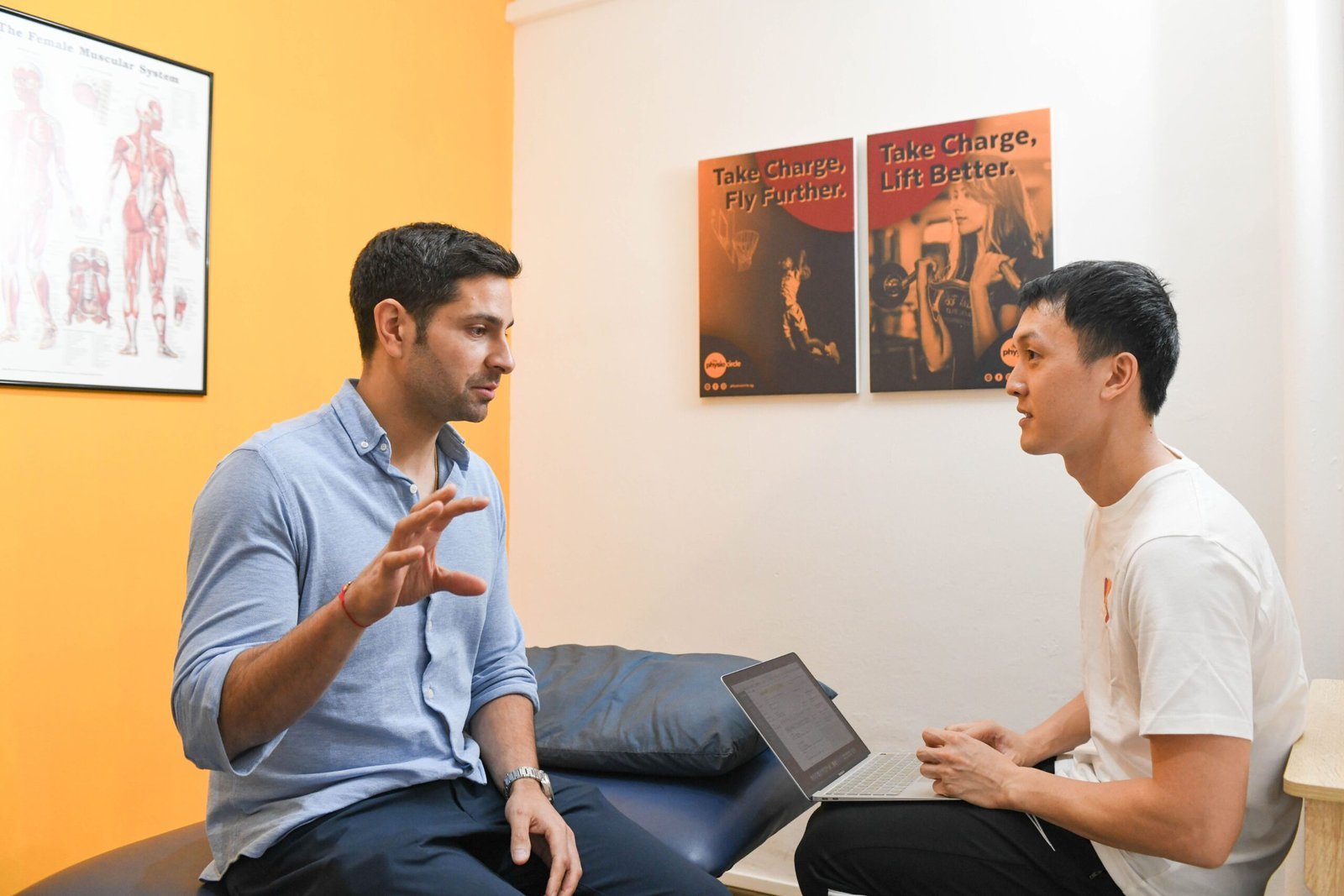
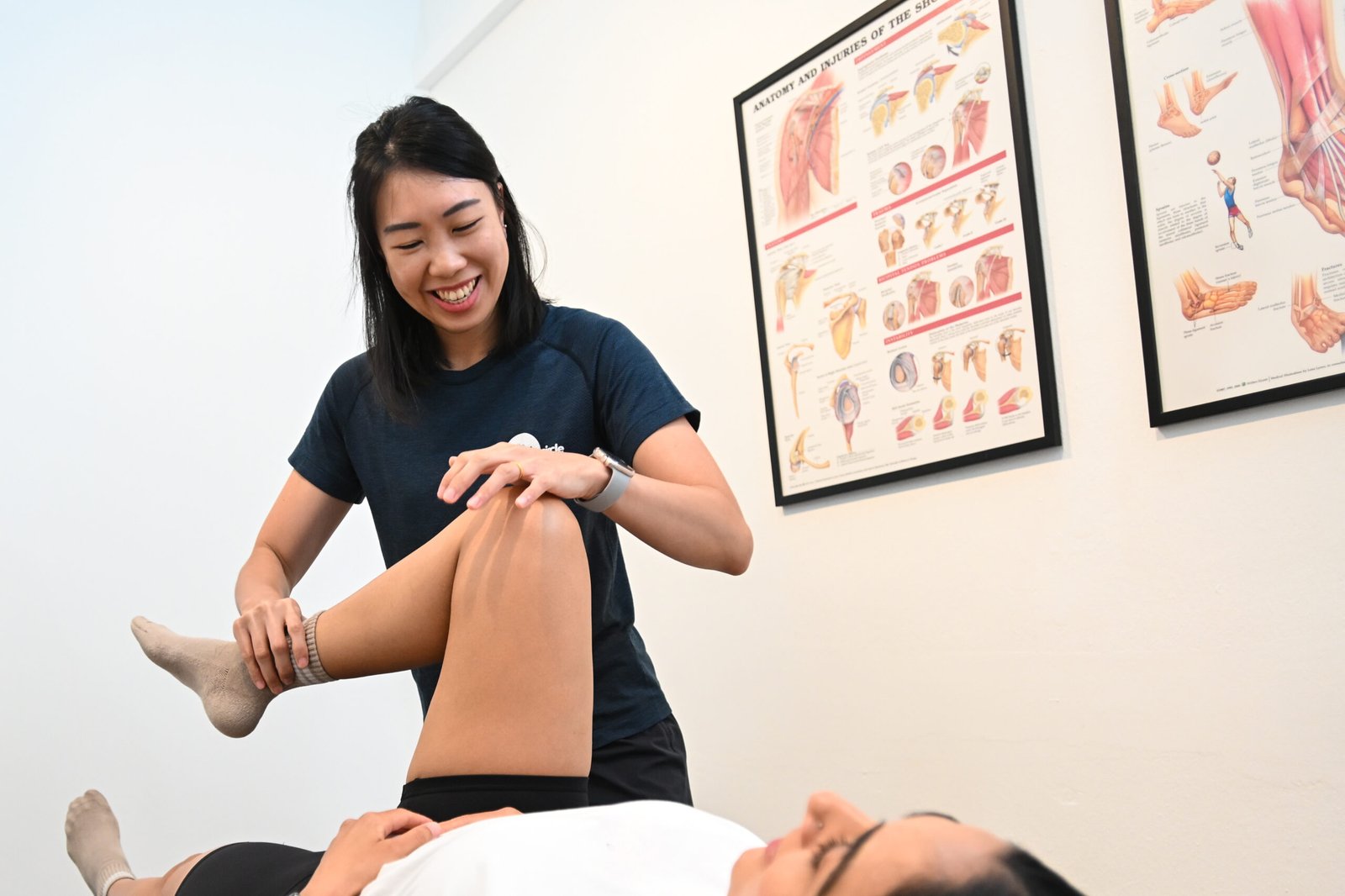
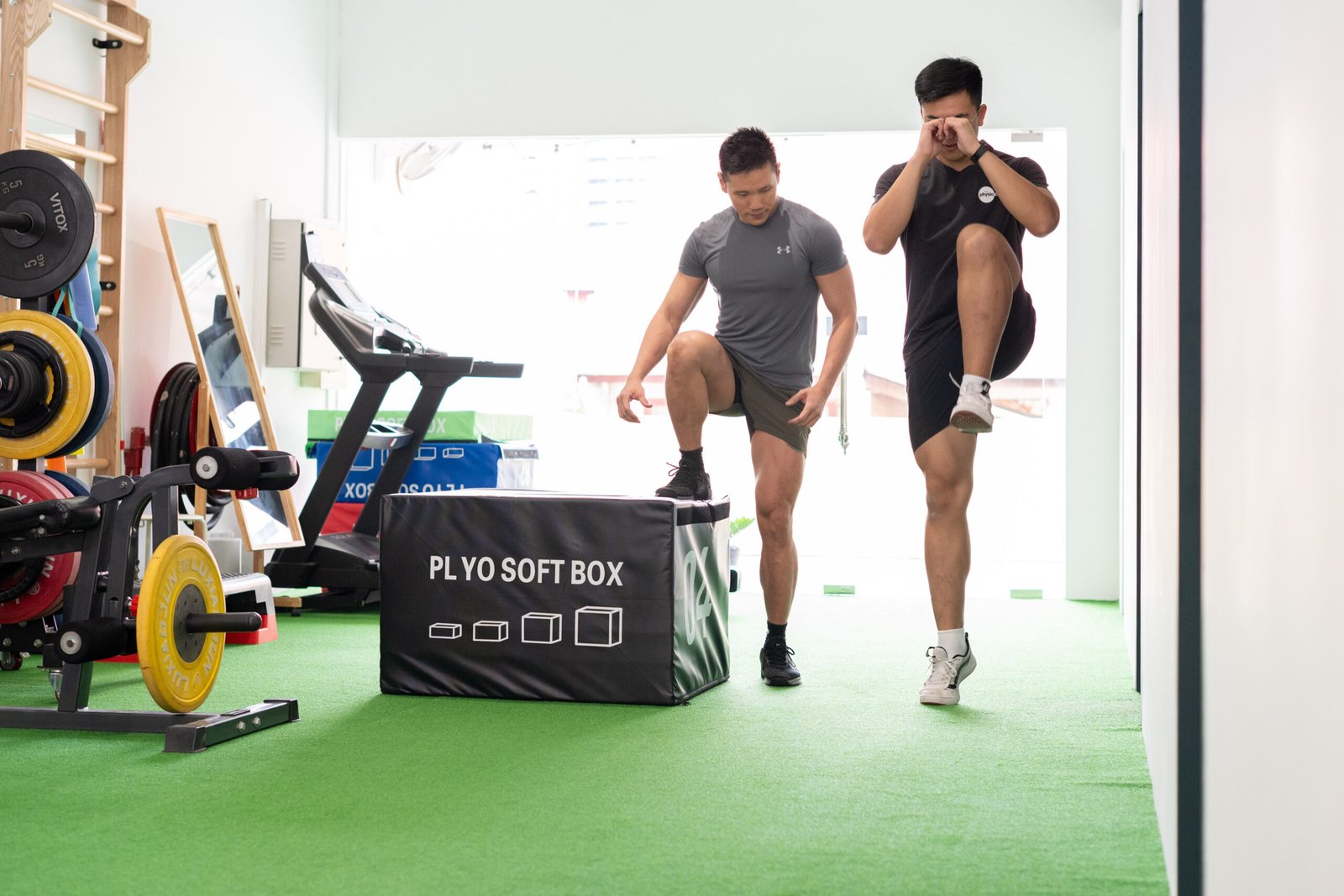
Your physiotherapist may assess your knee movement, strength, and functional activities relevant to you, such as walking, stairs, squatting, running, or sport-specific movements. We may also assess other relevant areas, including the hip, ankle, or lower back.
Progressive Strengthening and Exercise
Balance and Movement Control
Following some injuries or periods of reduced activity, balance and coordination exercises can help rebuild confidence and control. These are selected according to your individual needs.
Manual Therapy
Hands-on techniques may be used to help manage pain or improve movement in selected situations. Manual therapy is generally used as part of a broader rehabilitation programme rather than as a standalone solution.
Dry Needling
Where appropriate, dry needling may be considered as an adjunct to an active rehabilitation programme. Whether it is suitable depends on your diagnosis, symptoms, and individual circumstances.
Gait Retraining and Load Management
If walking, running, or another repeated activity is contributing to your symptoms, we can assess your current demands and help guide a gradual return to activity. Changes to technique may be considered where clinically appropriate, but rehabilitation focuses on building your overall capacity rather than relying on one “perfect” movement pattern.
Taping and Bracing
Taping or bracing may provide short-term support or symptom relief for selected knee conditions. If used, this is usually alongside rehabilitation aimed at rebuilding your longer-term strength and capacity.
Knee Pain Physiotherapy Process

Knee Pain Management Options Beyond Physiotherapy
Physiotherapy is one part of a broader approach to knee care. Depending on your condition, other options may include:
Activity Modification and Load Management
Temporary adjustments to activity can help manage symptoms while maintaining as much appropriate movement and exercise as possible. See our sports physiotherapy page for guidance on returning to training and sport.
Medication
Pain medication or anti-inflammatory medication may be appropriate in some circumstances. Speak with your doctor or pharmacist about whether medication is suitable for you.
Injections
Some knee conditions may be managed with injections. The potential benefits and risks depend on the diagnosis and type of injection, so this should be discussed with an appropriate medical specialist.
Surgery
Surgery may be appropriate for some knee injuries and conditions, particularly where there is significant structural damage or when other management approaches are not suitable. Rehabilitation before and after surgery can play an important role in restoring function. Our post-operative physiotherapy page covers what rehabilitation after surgery involves.
How Long Does Knee Physiotherapy Take?
Recovery timelines vary significantly. They depend on the nature and severity of your condition, how long you have had symptoms, your physical capacity, activity demands, and how you respond to rehabilitation.
Some acute injuries improve over weeks, while persistent conditions or post-surgical rehabilitation may take several months or longer. Conditions such as osteoarthritis are often managed over the long term rather than resolved according to a fixed timeline.
Your physiotherapist will discuss realistic expectations after your assessment and review your progress as your rehabilitation develops.
Knee Pain in Singapore: Staying Active in Everyday Life
Knee pain can affect more than just exercise. In Singapore, everyday activities such as climbing MRT stairs, walking between appointments, navigating multi-storey carparks, or getting around the city can become more difficult when your knee is painful.
For many people, staying active is also an important part of life, whether that’s running, badminton, tennis, golf, gym training, or weekend hikes. Knee pain can make it harder to keep doing these activities with confidence.
Our approach focuses on understanding what your knee needs to cope with in your everyday life and helping you progressively build the strength and capacity to return to the activities that matter to you.
Why Choose Our Physiotherapy Clinic for Knee Pain
Effective Pain Management
Our physiotherapists are qualified from bachelor to master’s degrees and are registered with the Allied Health Professions Council in Singapore, which means we are qualified to provide professional care to alleviate your pain.
Individualised Assessment and Care
We don’t use a one-size-fits-all approach. Your knee pain physiotherapy programme is based on your assessment, goals, and the activities you want to return to.
Evidence-Informed Rehabilitation
Progressive Exercise and Rehabilitation
Our focus is on helping you build the strength and physical capacity needed for everyday life, work, and sport.
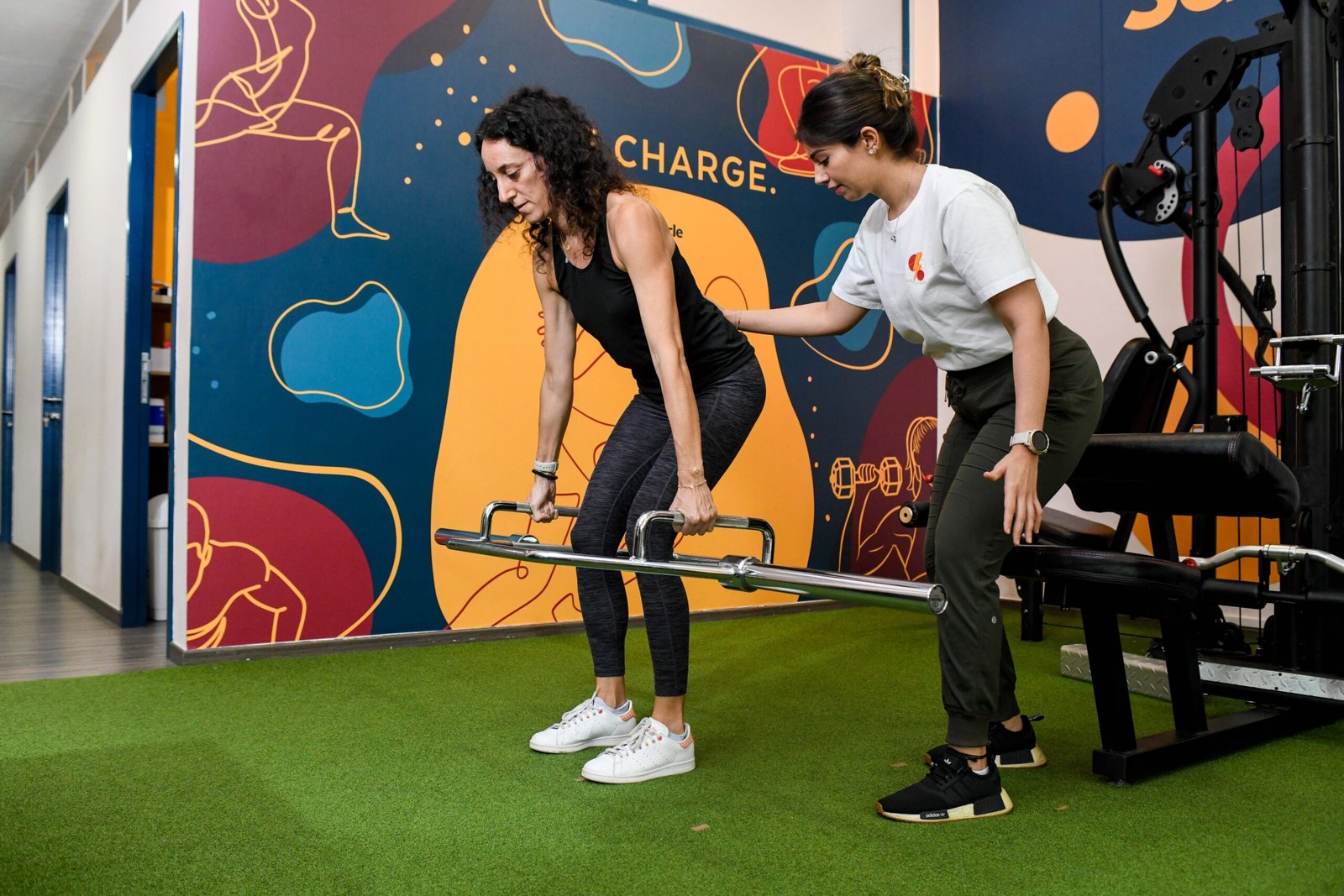
Access to Rehabilitation Facilities
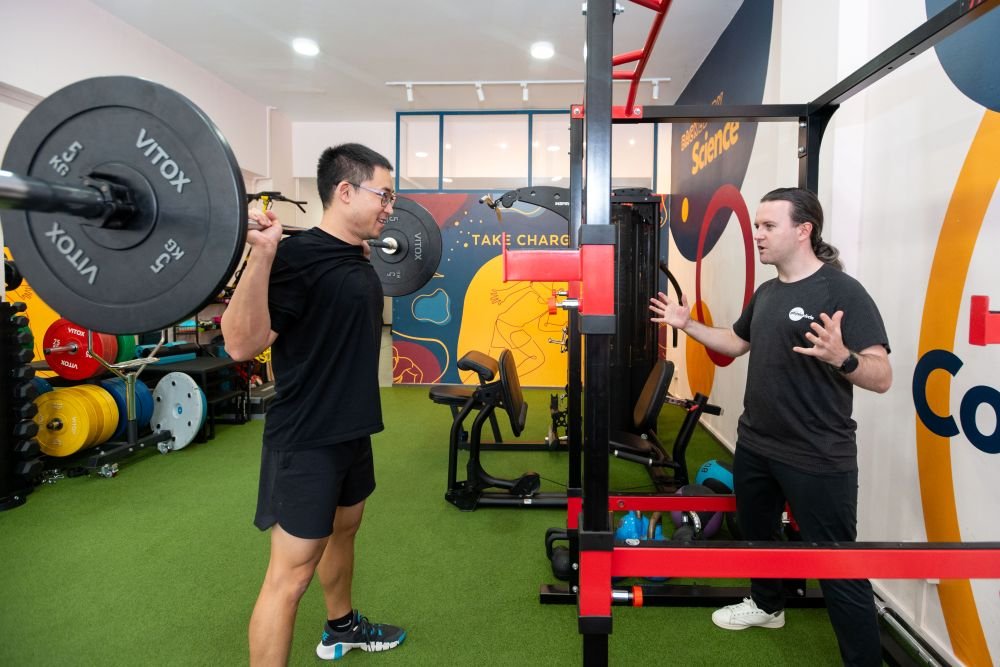
Our clinics provide space and equipment to progress your rehabilitation from basic movement through to more demanding strength and functional exercise where appropriate.
Collaborative Care
Where needed and with your consent, we can communicate with your doctor, surgeon, or other members of your healthcare team to help coordinate your care.
Meet Our Knee Physiotherapists
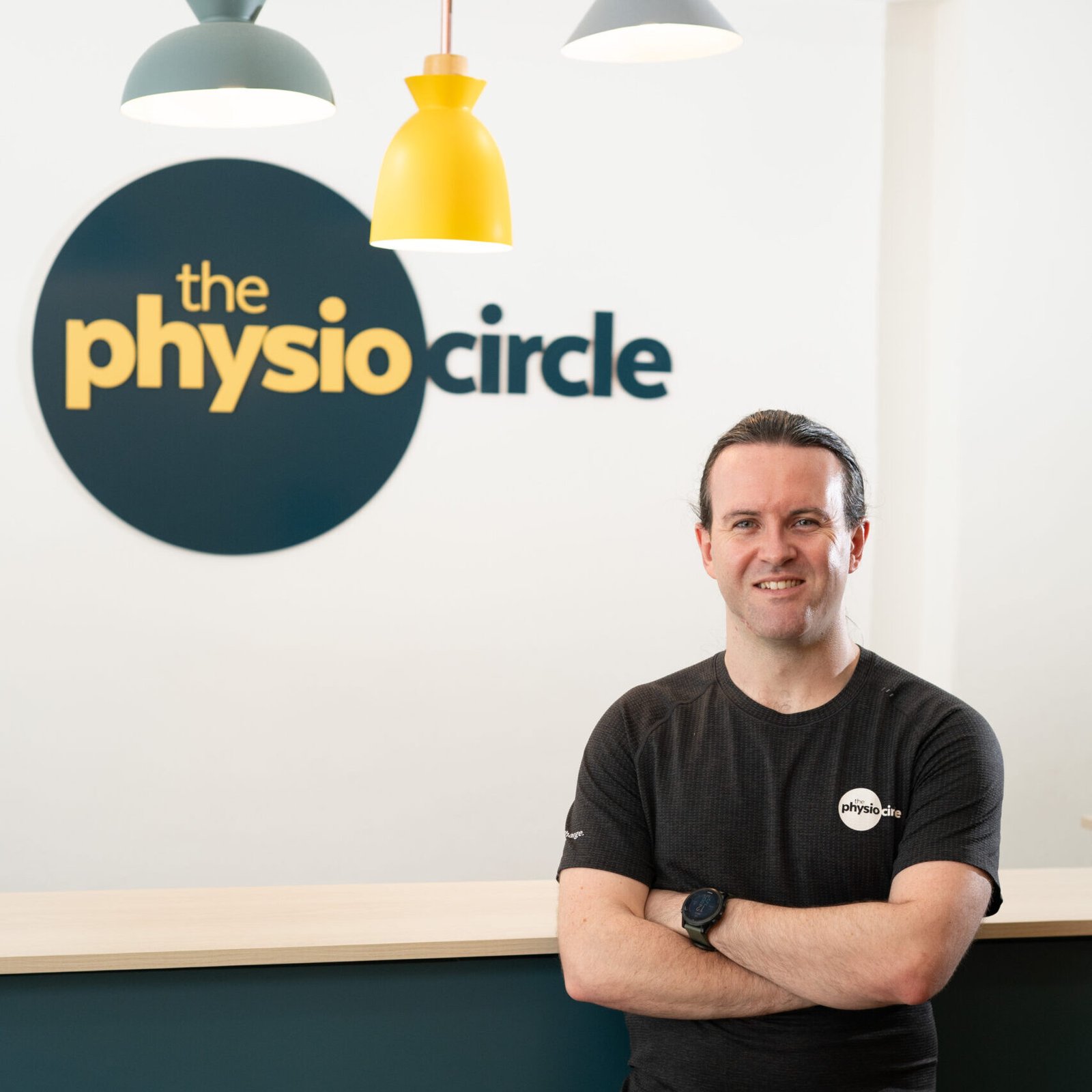
Conor Walsh
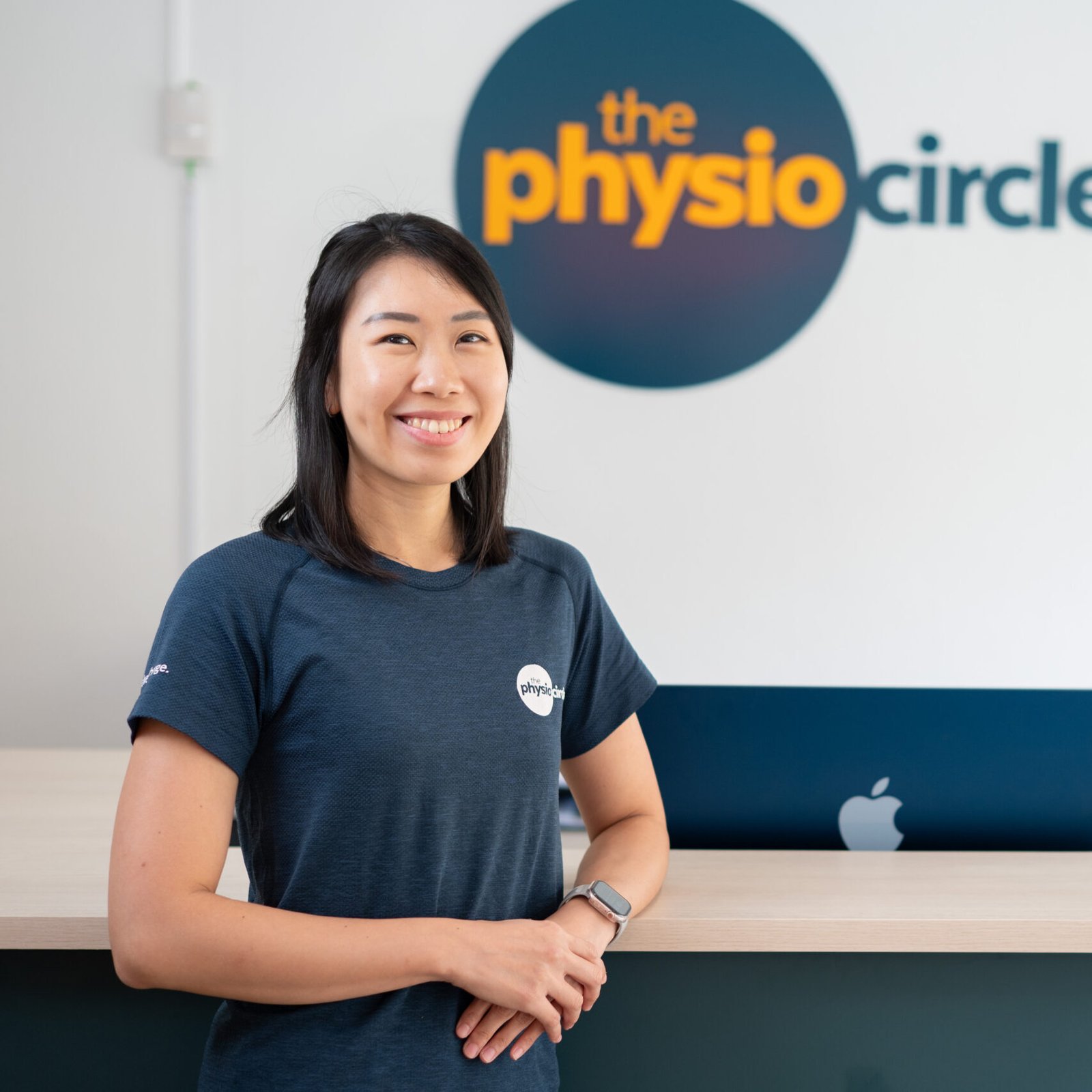
Debra Ow
Debra has more than 10 years of clinical experience in both public and private healthcare settings, specialising in sports injury management and neurological rehabilitation. She first worked at Tan Tock Seng Hospital (TTSH) for 7 years, where she had the opportunity to lead a multidisciplinary care team supporting frail patients in their transition from hospital back into the community.
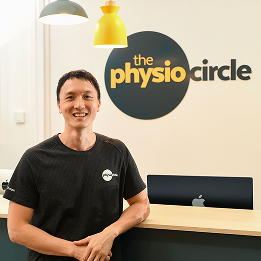
Daniel Tan
Daniel combines personal athletic experience with clinical knowledge. He has supported people across various age groups, particularly in physio for knee pains, post-surgery and sports-related injuries. His emphasis on holistic care helps individuals regain mobility in a structured, sustainable way.

Kajal Kirpalani
Kajal brings a holistic and empathetic touch to physiotherapy for pain, particularly knee pain. Her integration of pilates into recovery supports strength, balance, and knee stability, a valuable asset for long-term joint health.
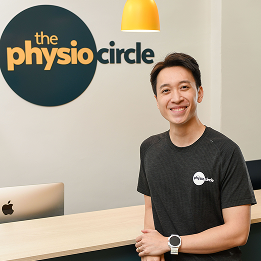
Isaac Tai

Magdalene Teng

Maheen Gul
Our physiotherapists are registered with the Allied Health Professions Council in Singapore, with experience across hospital and private practice settings.
Cost, Insurance, and Referrals
Our current physiotherapy fees are:
Initial Physiotherapy Assessment and Treatment
(45 minutes)
$230
Follow-up Physiotherapy Consultation and Treatment
(45 minutes)
$210
Home-based physiotherapy
per session
Visit our service fees page for full details.
You do not need a doctor’s referral to book knee pain physiotherapy in Singapore. You can contact us directly, or you may be referred by your doctor, surgeon, or another healthcare professional.
We do not offer direct insurance billing. If you plan to claim through insurance, check directly with your insurance provider or agent regarding your coverage and any referral or pre-authorisation requirements. We can provide the relevant receipts and documentation for you to submit your claim.
Frequently Asked Questions About Knee Pain Physiotherapy
Can my knee pain actually be referred from my hip or lower back?
Sometimes. Pain can be referred from other areas, and the hip, lower back, and ankle can also influence how you move and tolerate activity. Your physiotherapist will assess other relevant areas rather than looking at the knee in isolation.
Why does my knee hurt more going down stairs than going up?
Going down stairs places different demands on the knee than level walking or going upstairs. Several knee conditions can be aggravated by this activity, so an assessment is needed to understand what may be contributing to your symptoms.
Is knee clicking or cracking without any pain something to worry about?
Painless clicking or cracking is common and is not necessarily a sign of damage. If it occurs with pain, swelling, locking, or instability, it is worth having your knee assessed.
Can I keep running or playing sport while I'm having knee physiotherapy?
Often, some level of activity can be maintained, but this depends on your condition and symptoms. Your physiotherapist can help you decide what to continue, modify, or temporarily avoid while you rebuild capacity.
Do I need to lose weight before physiotherapy will work?
No. Physiotherapy and exercise can be adapted to your current starting point. Body weight may be one relevant factor for some people and conditions, but it is not a requirement for starting rehabilitation.
Are supplements like glucosamine or collagen worth taking for knee pain?
The evidence varies depending on the supplement and the condition being managed. If you are considering supplements, discuss this with an appropriate healthcare professional and do not rely on them as a replacement for a comprehensive rehabilitation plan.
What People Say
Read what others have to say about our physiotherapeutic services for knee pain.
Posted on Google
 Thanh DoanJune 30, 2025
 I’ve spent the past 6 months here rehabbing my right ankle after surgery, and I can confidently say this place has played a huge part in getting me back on my feet — literally. From day one, the team was professional, patient, and incredibly knowledgeable. My physiotherapist Magdalene took the time to understand my condition, set realistic goals, and adjust the program as I progressed. Each session was focused and encouraging, with just the right balance of pushing limits while respecting recovery pace. The facility is well-equipped, clean, and has a calm, supportive atmosphere — something I came to really appreciate during the ups and downs of rehab. I’ve gone from struggling to walk without pain to regaining strength, confidence, and mobility — and I couldn’t have done it without their guidance. Highly recommend for anyone needing structured, caring, and results-driven physiotherapy.Posted on Google
 Jeeviyan GopalJune 28, 2025After a disappointing experience with physiotherapy at a government hospital, I decided to switch to The Physio Circle — and I’m so glad I did. Under Magdalene’s care for the past 3 months, I’ve made remarkable progress in my recovery from ACL reconstruction surgery. She tailored a specialised rehabilitation program that focused on restoring my muscle strength and agility. Every session felt personalised and purposeful, and her dedication, knowledge, and encouragement made a world of difference. Thank you, Magdalene, for your professionalism and genuine care. I finally feel like I’m on the right path to full recovery!Posted on Google
 Kumar EswaranJune 22, 20255 Stars – Highly Recommended! I recently had the unfortunate experience of spraining my ankle (high grade ligament tear), and I’m incredibly grateful to have found Magdalene to guide me through the recovery process. From the very first session, she made me feel at ease with a clear treatment plan, a positive attitude, and expert knowledge. Each appointment was tailored to my needs and progress. The exercises were effective yet manageable, and she took the time to explain the “why” behind every movement, which made a big difference in my motivation and understanding. I especially appreciated the encouragement and patience throughout – it made the whole experience feel much more personal and empowering. Thanks to, Magdalene I’m now back on my feet. I would highly recommend her to anyone needing physiotherapy, whether for a sprained ankle or anything else.Posted on Google
 sajjad lorestaniJune 19, 2025Magdalene at Physio Circle was excellent. She was attentive throughout the session, listened carefully, and clearly knew her stuff. I felt in good hands the whole time . highly recommend her if you’re after someone knowledgeable and professional.Posted on Google
 Ken Li TanJune 1, 2025I highly recommend magdalene! Not only was she very experienced, she was also very patient and understanding. She has helped my lower back tremendously and I can't thank her enough ❤️Posted on Google
 Sze Li TauMay 26, 2025Magdalene is my physiotherapist and she's wonderful. I can't thank her enough for helping me resolve my issues with my back and neck. I actually look forward to sessions with her because I feel very relieved and good after each session. She's very professional and she wastes no time for each session, making sure each of my session is effective👏 I am very grateful to her. Thanks Magdalene! 😄👍Posted on Google
 #among us LoverMay 21, 2025My physiotherapist was Kajal, she was so nice and helpful and really helped me understand what was wrong with my arm before providing a doable and viable solution. The exercises she recommended for rehab really helped and I’ve seen a lot of improvements since 👍😃Posted on Google
 Xiaozhou CMay 21, 2025Kajal helped me a lot during my recoveries on my back and wrist injuries, patient and guiding. She provides not just the professional advice but also shows concerns and follow-up cares and text/videos of my recovery exercises. I would definitely recommend!Posted on Google
 Larson OngMay 21, 2025I have been seeing Kajal at The Physio Circle for my elbow since 2024. She is attentive, friendly and always follows up with my exercises throughout my recovery journey. The clinic is clean and the equipment are well maintained as well. Highly recommended 💪👍👏Posted on Google
 Natasha JaffarMay 16, 2025I injured my back lifting heavy weights at the gym. My doctor referred me to Maheen at Physiocircle and I cannot recommend her enough. I’m happy to report that I’m now pain free. Disc herniations can be extremely painful but under the right care, one can make a full recovery.
Book an Appointment Today with Our Knee-Pain Physiotherapists
If you’re ready to begin your journey to health, we’re here to support you all the way.
Where to Find Our Knee-Pain Physiotherapy Clinic
Visit us for evidence-based care that helps you get back to doing what you love.