Physiotherapy for Neck Pain in Singapore
What Is Neck Pain?
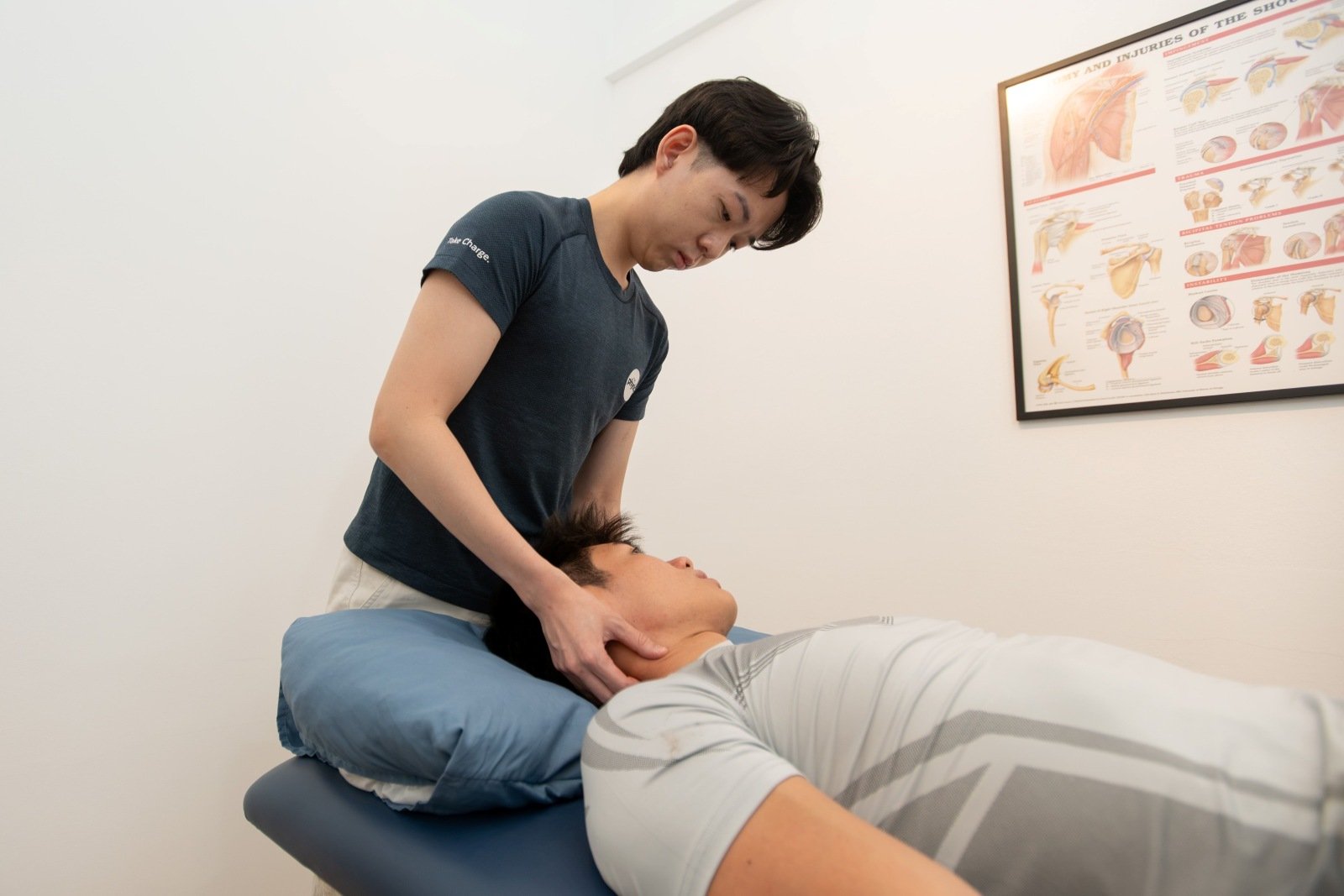
Neck pain can range from a mild ache or stiffness to symptoms that make it difficult to turn your head or carry out everyday activities. It may develop suddenly or gradually, and can be felt anywhere between the base of the skull and the shoulders, sometimes extending into the upper back, shoulder or arm, with headaches, tingling, numbness or weakness in some cases.
Physiotherapy for neck pain starts with an assessment to understand your symptoms, screen for signs that may need further medical attention and develop a plan around the activities you want to get back to.
Neck Pain Symptoms
Neck pain can present in different ways, and the way your symptoms behave can provide useful clues. However, symptoms alone do not always identify the exact cause.
Common symptoms include:
Pain or stiffness
May be constant or vary depending on movement, activity or position.
Difficulty turning or moving your head
Restricted movement can make everyday activities such as driving or looking over your shoulder more difficult.
Muscle tightness or spasms
Muscles around the neck and shoulders can become painful or sensitive, particularly during an acute episode of neck pain.
Headaches
Headaches can have many different causes, and some may be associated with the neck.
Pain spreading into the shoulder or arm
This can occur for a range of reasons, including irritation of structures around the neck or nerves.
Numbness, tingling or weakness in the arm or hand
These symptoms can indicate nerve
involvement and should be assessed, particularly if they are new or worsening.
Clicking or grinding
Joint sounds in the neck are common and often occur without pain.
Dizziness or feelings of imbalance
These symptoms can have a number of causes and should be assessed rather than automatically assumed to be neck-related.
When Neck Pain Needs Medical Attention
Most neck pain can be assessed and managed conservatively. However, some symptoms require prompt medical assessment by a doctor rather than physiotherapy first.
Seek urgent medical attention if you experience:
- New or progressively worsening weakness
- Significant changes in coordination, walking or balance
- Sudden dizziness, double vision, difficulty speaking or difficulty swallowing
- New numbness or neurological symptoms affecting both arms or legs
- New changes in bladder or bowel function
- Severe neck pain following a major fall, accident or other trauma
- A severe headache with neck stiffness, fever or feeling significantly unwell
- Sudden changes in vision or facial movement
Your physiotherapist will also screen for symptoms that may require medical referral or further investigation.
If you are unsure whether your symptoms require urgent medical attention, seek advice from a doctor.
What Causes Neck Pain?
Neck pain can have many contributing factors, and it is not always possible or necessary to identify one specific structure as the source of symptoms.
Non-Specific Neck Pain
Many episodes of neck pain are described as non-specific, meaning symptoms cannot be confidently attributed to one particular structure. Changes in activity, prolonged positions, previous episodes, physical capacity and other factors can all influence symptoms.
Prolonged Positions and Screen Use
Spending long periods in one position, including during desk work or when facing a screen, may contribute to discomfort. There is no single “perfect” posture, and the goal is not to hold one position all day. Regular movement and building tolerance to the positions and activities your day requires are often more useful.
Muscle and Soft Tissue Injuries
Acute Torticollis
Sometimes called wry neck, acute torticollis can cause sudden pain and difficulty moving the neck. Symptoms often settle over time, with management focused on maintaining comfortable movement and gradually returning to normal activities.
Whiplash
Whiplash-associated symptoms can occur following a sudden acceleration or deceleration injury, such as a road traffic accident. Symptoms and recovery vary significantly between individuals, so rehabilitation is guided by your specific presentation and functional goals.
Cervical Disc and Nerve-Related Symptoms
Changes affecting the cervical discs can sometimes contribute to irritation of a nearby nerve. This may cause pain, tingling, numbness or weakness extending into the shoulder, arm or hand.
Not all arm symptoms come from the neck, so a thorough assessment is important.
Cervical Spondylosis and Age-Related Changes
Age-related changes to the discs and joints of the neck are common and can also be found in people without pain. Scan findings therefore need to be interpreted alongside your symptoms and clinical assessment rather than in isolation.
Stress and Jaw or Shoulder Tension
Stress and other lifestyle factors can influence muscle tension, pain sensitivity and recovery. If these factors are affecting your symptoms, they can be considered as part of a broader management plan.
Does Physiotherapy Work for Neck Pain?
Physiotherapy can help people with a range of neck pain presentations. Management often includes a combination of education, movement, exercise and, where appropriate, hands-on treatment.
There is no single treatment programme that suits everyone. Your physiotherapist will assess your symptoms and physical function before developing a plan based on your individual presentation, goals and the activities you want to return to.
Assessment and Clinical Evaluation
A physiotherapy assessment for neck pain may include looking at your neck movement, strength and function, as well as other relevant areas such as your shoulders and upper back.
Where appropriate, your physiotherapist may also use specific clinical tests to assess for signs of nerve involvement or other conditions that could influence your management.
Progressive Exercise and Strengthening
Exercise may help improve strength, movement, endurance and confidence with everyday activities. Your programme will be tailored to your symptoms and goals and progresses as your capacity improves.
Rather than focusing on achieving one “ideal” posture or strengthening one specific muscle, we consider the overall demands of your work, exercise, sport and daily life.
Manual Therapy and Joint Mobilisation
Hands-on techniques may be used where appropriate to help manage symptoms or improve movement. These techniques are generally used as part of a broader rehabilitation programme rather than as a standalone treatment.
Soft Tissue Techniques
Hands-on treatment may be used for muscles and other soft tissues around the neck and shoulders where appropriate. This can help manage symptoms alongside active rehabilitation.
Dry Needling
Dry needling may be considered for selected patients as an adjunct to rehabilitation, particularly where muscle-related symptoms are contributing to pain or movement restrictions.
Movement and Load Management
We help you gradually build tolerance to the activities that are currently difficult, whether that involves working at a desk, turning your head while driving, returning to the gym or participating in sport.
The aim is to help you move with greater confidence and build the capacity needed for your everyday life, rather than avoiding movements indefinitely.
How Many Sessions Will I Need?
The number of sessions varies depending on your neck pain symptoms, how long they have been present, your goals and how you respond to rehabilitation.
Some people may need only a few sessions to understand their symptoms and get started with an appropriate programme. Others, particularly those recovering from persistent pain, injury or nerve-related symptoms, may benefit from a longer rehabilitation process.
Your physiotherapist will discuss an appropriate plan with you and review it regularly as you progress rather than working to a fixed number of sessions.
Neck Exercises and Movement
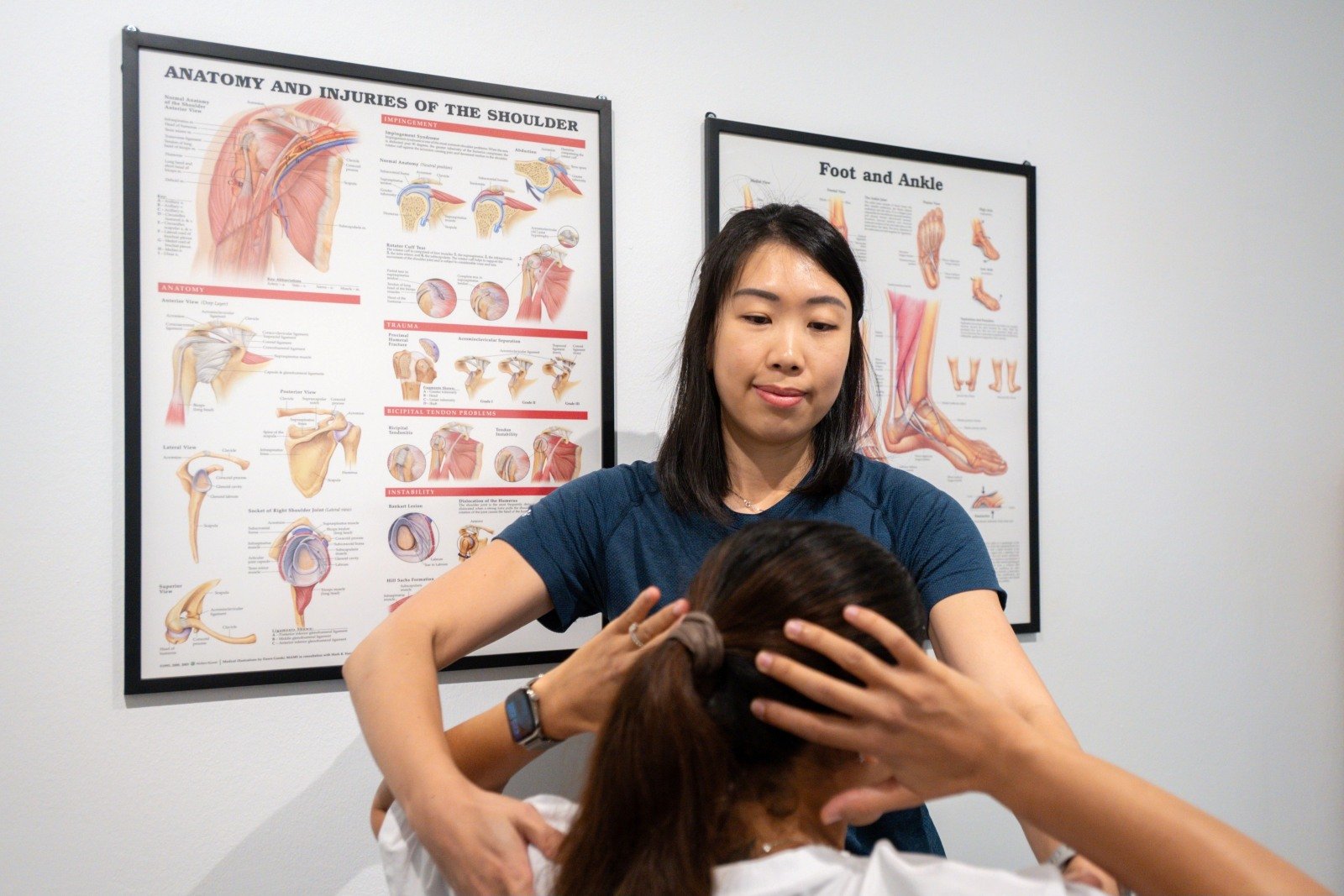
For many types of neck pain, staying active and gradually returning to normal movement can be helpful. The right exercises depend on your symptoms, your current movement and strength, and what you need your neck to do.
Depending on your needs, rehabilitation may include:
- Improving neck movement and mobility
- Building strength and endurance in the neck, shoulders and upper back
- Improving posture and movement habits where relevant
- Gradually returning to activities that have become painful or difficult
There is no single exercise that is right for everyone. An exercise that helps one person may not be appropriate for another, so exercises should be progressed according to your symptoms and goals.
If you have significant weakness, new or worsening neurological symptoms, or other concerning signs, seek medical advice before starting an exercise programme.
Your physiotherapist can assess your symptoms and provide a personalised programme to help you move more comfortably and confidently.
Meet Our Physiotherapists for Neck Pain
Conor Walsh
Senior Physiotherapist
Conor Walsh
Senior Physiotherapist
BSc (Physio.)
Trinity College Dublin
AHPC Registered
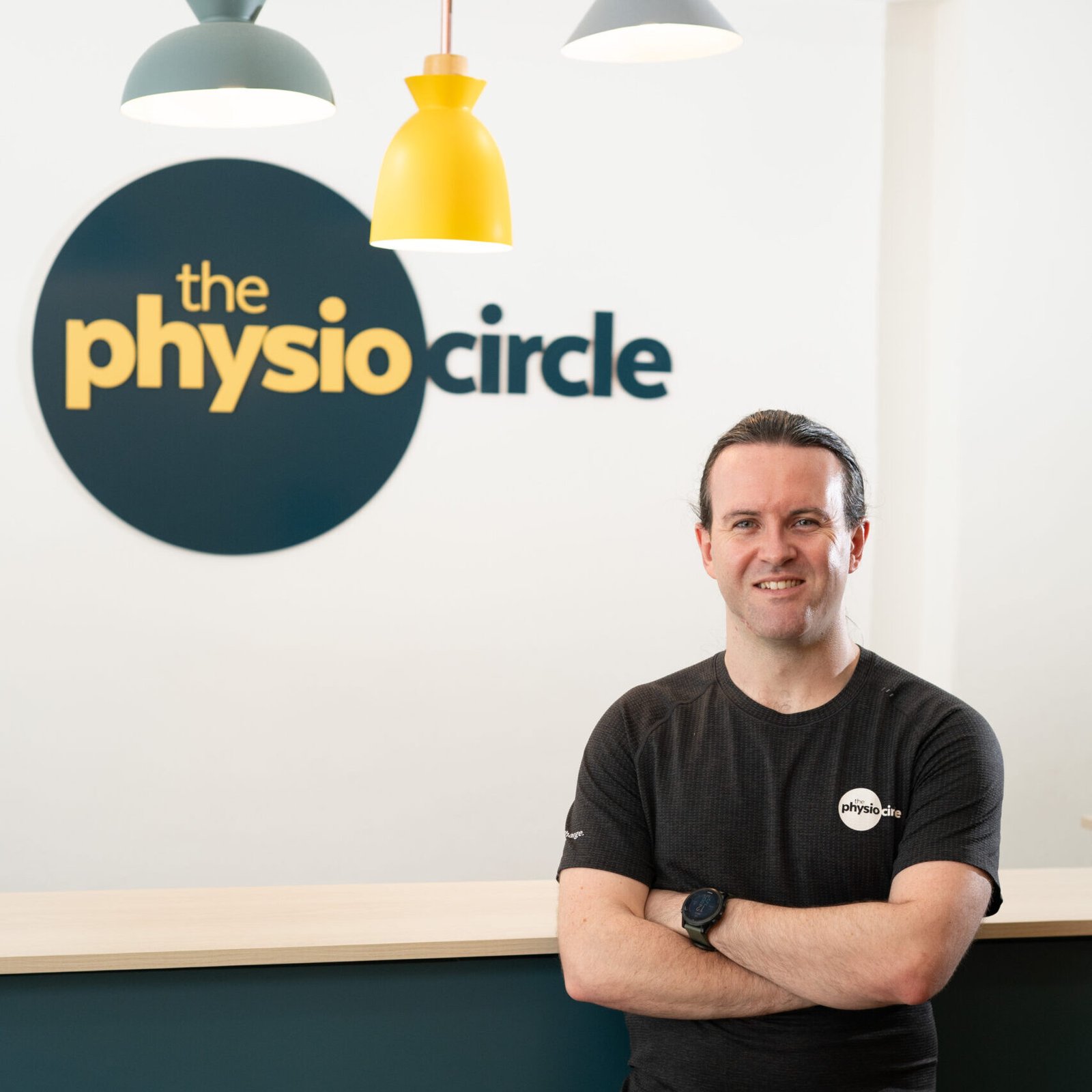
Conor graduated with honours from Trinity College Dublin in 2015. During his time at university he was awarded the Foundation Scholarship and was active as a student member of the Irish Society of Chartered Physiotherapists, assisting at various events including the ISCP Annual Conference and the Dublin City Marathon.
After moving to Singapore in 2016 he worked three years in Changi General Hospital gaining invaluable experience in Orthopaedics, Neurological Rehab, ICU and outpatient settings before specialising in Sports Medicine in 2017, where he was responsible for auditing the ACL post-operative rehabilitation protocol.
Since 2019 Conor has worked in private practice and has established himself in treating a wide range of conditions across all ages, especially post-surgical cases, running injuries, chronic lower back pain and other lower limb injuries. He is a triple certified GEMt Dry Needling therapist and uses this in combination with other treatment modalities like manual therapy and exercise therapy to deliver holistic and evidence-based treatment to his patients.
Outside of clinical practice, Conor is a keen Gaelic footballer, hurler and soccer player. Keen to broaden his professional development further he recently completed a Masters in Business Administration with the University of Manchester.
He is also a musician and can often be found gigging with one of his two bands somewhere on the island.
Debra Ow
Senior Physiotherapist
Debra Ow
Senior Physiotherapist
BSc (Hons) Physiotherapy (SIT)
AHPC Registered
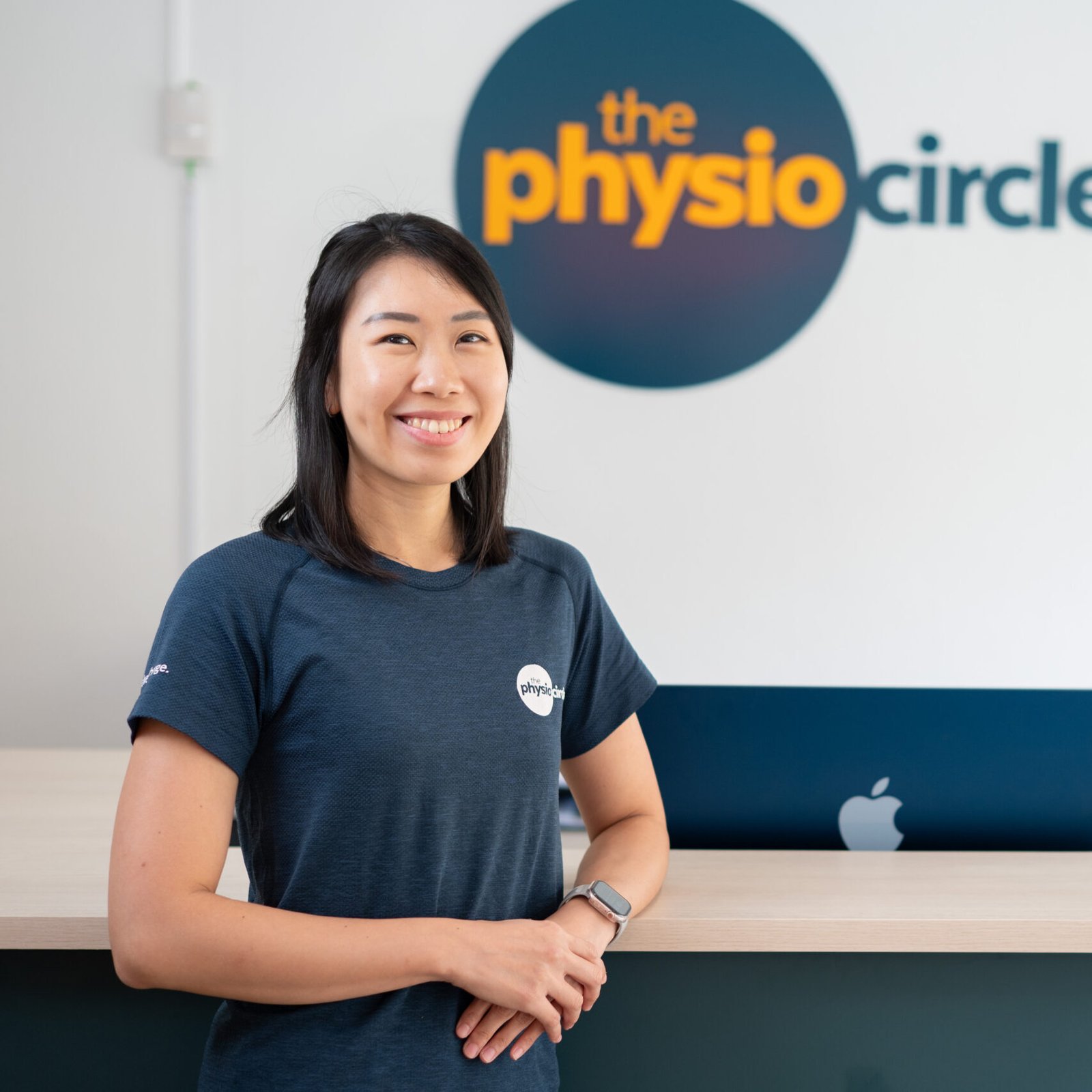
Debra has more than 10 years of clinical experience in both public and private healthcare settings, specialising in sports injury management and neurological rehabilitation. She first worked at Tan Tock Seng Hospital (TTSH) for 7 years, where she had the opportunity to lead a multidisciplinary care team supporting frail patients in their transition from hospital back into the community.
She later joined St Luke’s ElderCare, further strengthening her expertise across the full spectrum of rehabilitation. There, she managed an array of musculoskeletal, neurological, and orthopaedic conditions. She also worked closely with community partners to curate exercise programmes and conducted public talks on frailty and healthy ageing.
Before joining The Physio Circle, Debra worked in a private clinic focusing on musculoskeletal and sports rehabilitation, where she gained further experience managing post-operative orthopaedic cases and helping patients return safely to work, sport, and daily activities.
In 2022, Debra was certified in Clinical Pilates under Smart Movement International, and has since been actively incorporating Pilates into her rehabilitation approach to facilitate recovery. Her Personal Trainer certification also enables her to curate effective recovery programmes for different populations.
Outside of work, Debra enjoys strength training at the gym and practising Pilates. She also indulges in bubble tea now and then, as she believes life is meant to be lived.
Relevant Certifications:
✅Clinical Educator (SIT)
✅ACE Certified Personal Trainer
✅EBFA Neurosensory Specialist
✅APA Dry Needling
✅Clinical Pilates
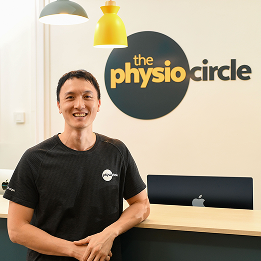
Daniel Tan
Senior Physiotherapist
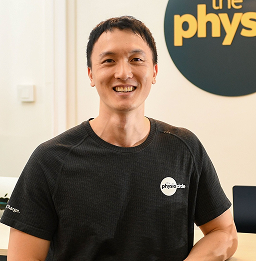
Daniel Tan
Senior Physiotherapist
BSc (Hons) Physiotherapy
Glasgow Caledonian University
AHPC Registered
Daniel graduated with a BSc Honours in Physiotherapy from Glasgow Caledonian University in 2018.
Upon graduation, he started his career as a Physiotherapist at Changi General Hospital, where he worked with patients of different age groups (teenagers to the elderly).
In this time, he gained a valuable range of experience in cardiopulmonary, orthopaedic, geriatric, neurological as well as pre-and post-operative musculoskeletal and sports rehabilitation. With a vast experience as a triathlete and a weightlifter, Daniel has had personal encounters with injury and thereafter the recovery process to return to sport. These experiences have armed him with passion and understanding to help empower people in overcoming their injuries and to maximise their potential.
Daniel believes in a holistic approach that combines first principles thinking and evidence-based treatment to not only improve quality of life but to also help his patients on their recovery journey and ultimately, achieve their goals.
Outside of TPC, Daniel enjoys a good book and a cup of coffee when not training at the gym.
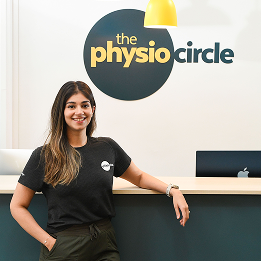
Kajal Kirpalani
Senior Physiotherapist

Kajal Kirpalani
Senior Physiotherapist
BSc Physiotherapy
Curtin University
AHPC Registered
Kajal graduated with a Bachelor of Science in Physiotherapy from Curtin University in 2020. She began her career in private practice, focusing on post-surgical rehabilitation and musculoskeletal injuries from sports and accidents. Through working alongside experienced physiotherapists, Kajal refined her practice, embracing a holistic approach to managing her patients.
Kajal believes in empowering and encouraging her patients to have a positive and proactive mindset throughout their rehabilitation journey. On top of this, she also places high importance on educating her patients to understand their bodies, the way it moves and how to manage their rehabilitation.
Having dabbled in various sports throughout her life, Kajal understands the specific demands of different activities and tailors her treatment plans to help athletes return to their sport safely and effectively. She is a firm believer in lifelong learning and continuously seeks to enhance her skills. Kajal has completed clinical courses on shoulder injuries, tendinopathies, and communication skills to improve therapeutic alliance building between her and her patients.
She is also a fully certified STOTT Pilates instructor and enjoys integrating Pilates principles into her rehabilitation sessions.
Outside of physiotherapy, Kajal is an avid bookworm, loves to cook and engages in strength training, pilates, boxing and running.
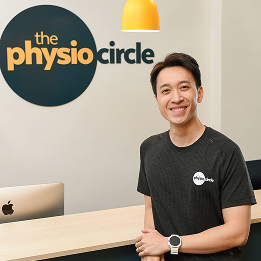
Isaac Tai
Senior Physiotherapist
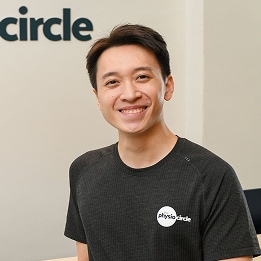
Isaac Tai
Senior Physiotherapist
BSc (Hons) Physiotherapy
Curtin University
AHPC Registered
Isaac graduated with a Bachelor of Science in Physiotherapy from Curtin University in 2020.
Even before graduation, he worked as a sports trainer with Australian football and rugby clubs. Upon graduation, he cut his teeth in musculoskeletal physiotherapy with a focus on sports and post-surgical rehabilitation in the private sector. Working alongside, and being trained by, veteran physiotherapists provided invaluable insight into innovative ways of engaging patients and helping them achieve their rehabilitation goals.
With independence and self-management in mind, Isaac works with his patients to uncover the cause of their problems and find a sustainable solution that works for them. A firm believer in education, he seeks first to understand his patient’s goals, then helps them understand how they can achieve these goals by sharing knowledge and developing an individualised treatment plan with them.
Through a tailored programme of strengthening and conditioning exercises, manual therapy and trigger point dry needling, Isaac works with his patients to get them back into their regular functional activities and prevent the recurrence of their pain.
Outside of his time in the clinic, Isaac enjoys recreational boxing, HIIT, running and badminton. When he hits the gym, he prefers his workouts be set to the tune of Red Hot Chili Peppers or Arctic Monkeys. His other joy is experimental cooking and baking in the kitchen on the weekends.
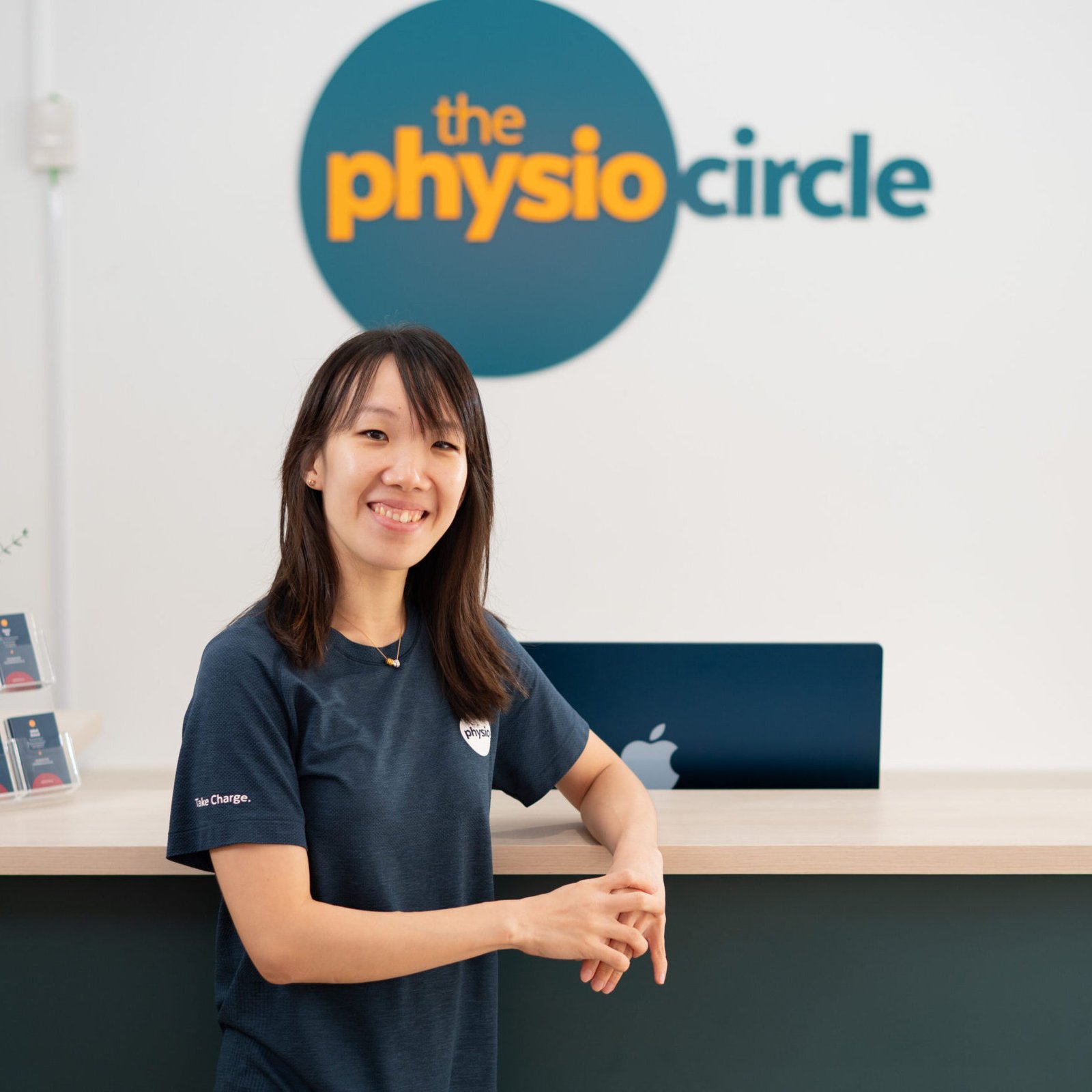
Magdalene Teng
Senior Physiotherapist
Magdalene Teng
Senior Physiotherapist
BPhysio (Hons), MClinPhysio
Curtin University
AHPC Registered
Magdalene is a physiotherapist who believes in challenging outdated norms, debunking common rehab myths, and empowering patients with the knowledge they need to take charge of their recovery. With over 15 years of experience across public and private healthcare, she combines strong clinical expertise with genuine care for each person who walks through her door.
She graduated with a Bachelor of Physiotherapy (Honours) from the University of South Australia, and later completed a specialist Master’s degree in Musculoskeletal Physiotherapy at Curtin University. Her career has included working with a wide variety of musculoskeletal conditions, mentoring emerging physiotherapists, and supporting national-team athletes and sports players. She previously served as clinical team lead in the KTPH Inpatient Orthopaedic Team and Extended Diagnostic Treatment Unit (EDTU), where she drove early discharge pathways, and co-managed the Outpatient Trauma Clinic.
What drives Magdalene is the full rehabilitation journey – guiding patients from early mobility challenges back to confident activity and sports participation. She thrives in advanced sports rehabilitation, tailoring each session creatively to meet individual goals. With specialised training in running mechanics and performance science, she has a strong passion for working with long-distance runners and marathoners, helping them continue training safely, reduce pain, and optimise performance, making her our in-house knee physio specialist.
Magdalene is skilled in managing running-related injuries, complex back pain, and lower-limb conditions. She also has extensive experience in post-operative rehabilitation, including ACL and ligament reconstruction/repair, meniscus and cartilage repair, shoulder surgeries, and total knee replacements. Her diagnostic approach is grounded in the Musculoskeletal Clinical Translation Framework,allowing her to identify movement impairments, contributing factors, and rehab priorities with precision. This structured approach, combined with a biopsychosocial perspective, enables her to guide patients who may have plateaued elsewhere toward clearer understanding and meaningful progress.
A firm believer in continuous learning, Magdalene consistently upgrades her skills to stay evidence-based and relevant. Having experienced shoulder and lower-limb injuries herself, she understands the frustration and uncertainty that come with being sidelined by pain. This personal insight shapes her caring, righteous, and patient-first approach – she advocates for her patients the way she would want someone to advocate for her.
Outside the clinic, she enjoys running, experimenting with new workouts around the neighbourhood, boxing fitness classes, and listening to personal development podcasts.
Magdalene believes that every patient deserves a pair of attentive, skilled, and genuinely caring hands to guide them back to the activities and sports they love.
Publications
Caneiro, J. P., et al. (2019). Physiotherapists implicitly evaluate bending and lifting with a round back as dangerous. Musculoskeletal Science and Practice, 39, 107–114.
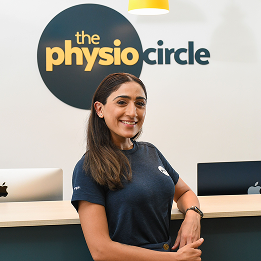
Maheen Gul
Senior Physiotherapist
Maheen Gul
Senior Physiotherapist
BSc (Hons) Physiotherapy
King’s College London
AHPC Registered
Maheen graduated with a BSc Honours in Physiotherapy from King’s College London and moved to Singapore in 2012. She began her career in a rehabilitation hospital, treating neurological and musculoskeletal conditions, before transitioning to private practice in 2015 to focus on musculoskeletal and sports injuries. With over a decade of experience in both surgical and non-surgical cases, Maheen has worked with patients recovering from spinal surgeries, knee and ankle ligament reconstructions, shoulder surgeries, and those managing sports injuries, chronic pain, and everyday aches.
Maheen takes a holistic approach to treatment, combining manual techniques with tailored exercise programs to address the root cause of the issue and prevent future injuries. Her goal is to help patients regain their strength, mobility, and confidence—enabling them to return to the activities they love and live life to the fullest.
Maheen is also trained in reformer pilates and trigger point dry needling, which she integrates into her treatments to address specific musculoskeletal issues.
An active individual herself, Maheen enjoys strength training, running, yoga and pilates. She has participated in events such as marathons and half marathons, Hyrox, Spartans and Urbanathlon. Outside of work, Maheen loves spending time with family (and her dog Albert), traveling, and making lasting memories with loved ones.
Cost, Insurance and Referrals
Initial Physiotherapy Assessment and Treatment
(45 minutes)
$230
Follow-up Consultation and Treatment
(45 minutes)
$210
Visit our service fees page for full pricing details.
You do not need a doctor’s referral to book physiotherapy for neck pain. You can contact us directly, or you may be referred by your doctor or another healthcare professional.
We do not offer direct insurance billing. If you plan to claim through insurance, do check with your insurance provider or agent regarding your coverage and any referral or pre-authorisation requirements. We can provide the relevant receipts and documentation for you to submit your claim.
What to Expect at Your First Session
Your first session begins with a discussion about your symptoms, medical history, daily activities and goals. Your physiotherapist will then carry out an assessment based on your presentation, which may include movement, strength and functional testing.
Wear comfortable clothing that allows you to move easily. You will only need to expose the areas necessary for your assessment, and your physiotherapist will explain what they are doing throughout the session.
You will leave with a clearer understanding of your symptoms, the next steps in your rehabilitation and, where appropriate, exercises or strategies to begin between sessions.
Frequently Asked Questions About Neck Pain Physiotherapy
Is it safe to have my neck cracked or manipulated?
Cervical manipulation carries a small but real risk, and it isn’t something we default to. Where joint mobility work is appropriate, our team generally starts with gentler mobilisation techniques, and the approach is always discussed with you first.
Why does my neck feel worse in air-conditioning?
Cold air can increase muscle tension in people who are already carrying tightness through the neck and shoulders, though it’s rarely the underlying cause on its own. If it’s a recurring pattern for you, it may be worth mentioning at an assessment alongside your other symptoms.
Should I wear a neck brace or collar?
A neck collar is only appropriate in specific situations and should not generally be self-prescribed for ongoing neck pain. If a collar is recommended following trauma or another medical condition, follow the advice of your healthcare team.
Can I lift weights or exercise with neck pain?
Often, yes. Many people can continue exercising with appropriate modifications while they recover. What to change depends on your symptoms and the activity involved, so your physiotherapist can help you decide what to continue, modify or temporarily avoid.
Can neck problems cause pain between my shoulder blades?
Neck, upper back and shoulder symptoms can overlap, and pain may be influenced by more than one area. Your physiotherapist will assess the relevant regions rather than assuming the painful area is always the source of the problem. Where the source may lie elsewhere, we also offer physiotherapy for back pain and physiotherapy for frozen shoulders, among other services.
Will an MRI show what's causing my neck pain?
Sometimes imaging provides useful information, but most neck pain does not require an MRI. Scans can also show age-related changes in people without pain, so results are interpreted alongside your symptoms and clinical assessment.
Book Your Neck Physiotherapy Session
An assessment gives you a working answer instead of another search result: what’s likely driving the pain, what to change at your desk, and what the next few sessions should focus on.
Find Our Clinics
Visit us for evidence-based care that helps you get back to doing what you love.