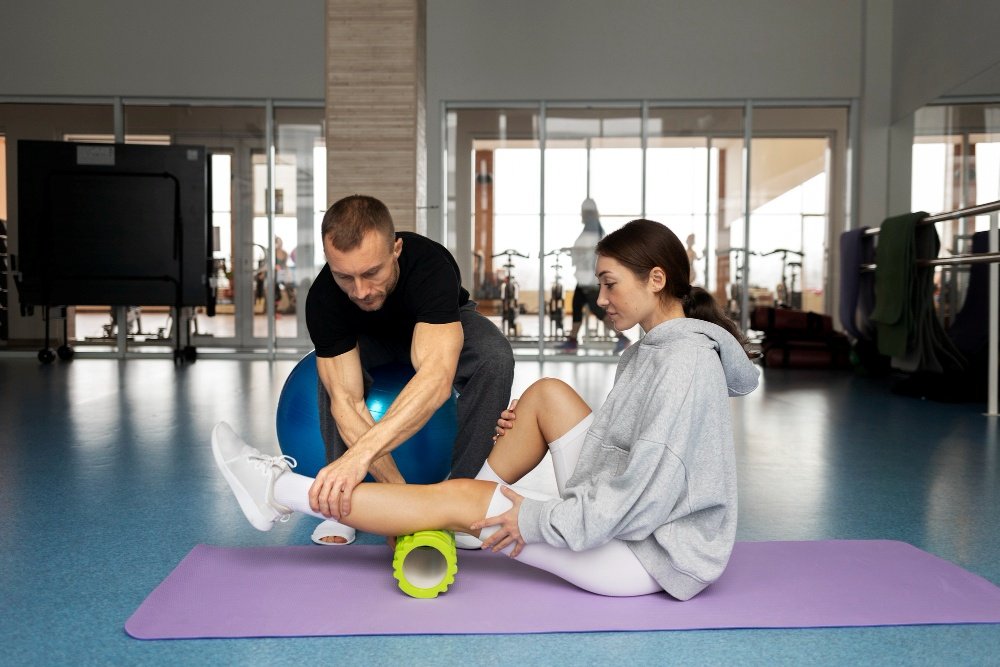
Recovering from a sports injury can feel frustrating, especially when your goal is to get back to the activities you enjoy. Whether you’re a competitive athlete, a weekend warrior, or someone managing knee pain after an active lifestyle setback, the approach you take during sports injury rehab matters. Delays and re-injuries can stem not from the injury itself, but from common missteps during recovery.
Understanding what sports rehab is, recognising when to seek help from physiotherapists or medical professionals, and knowing how to progress safely can make all the difference between facing potential setbacks and a confident return.
What Is Sports Rehab, and Why Does It Matter?
At its core, sports rehab is not just about settling pain. Sports injury treatment focuses on the different types of sports injuries and recommends suitable treatments that can affect strength, movement capacity, power, coordination, and confidence.
For example, returning to running requires more than pain-free walking, just as returning to netball demands control during pivots and landings. This is where performance sports and rehab specialists play an important role. They understand the specific loads, movements, and demands of different activities, and guide rehab accordingly.
Many people ask, “When do I see a physiotherapist after injury?” As a general guide, it may be helpful to seek advice if pain lasts beyond a few days, swelling does not settle, movement feels unstable, or strength noticeably drops. Early guidance can shape the right phases of injury rehabilitation, reducing unnecessary setbacks.
Common Mistakes to Avoid During Sports Injury Rehab
The “Too Much, Too Soon” Trap
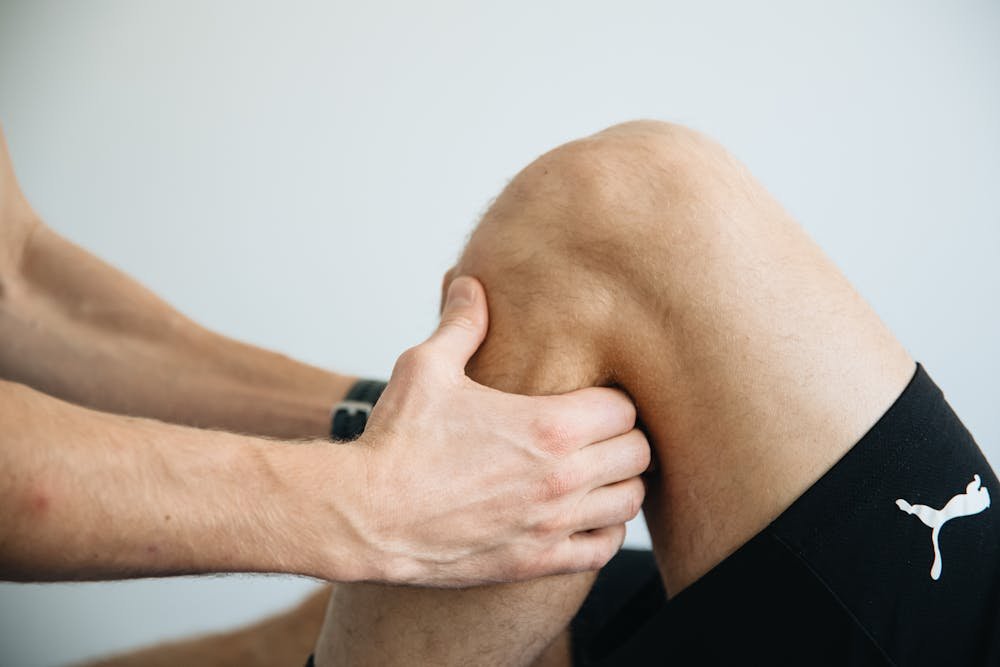
One of the most common pitfalls in sports injury is rushing back before tissues are ready. While motivation is a strength, sudden spikes in training load may be associated with a higher chance of flare-ups or re-injury, especially if the body is not ready1.
Rather than complete rest, modern treatment often uses the concept of relative rest. This means a gradual return to activity, often with professional guidance from a physiotherapist2. For instance, someone who suffered an ankle sprain can safely begin with activities such as cycling or strength training while progressively loading the ankle under professional guidance.
Neglecting the Rest of the Body
Focusing only on the injured area, such as the knee or shoulder, is another common issue. When one area is sidelined, the rest of the body can decondition surprisingly quickly.
Similarly to post-operative rehabilitation, during sports rehab, maintaining strength and fitness elsewhere supports overall recovery. Training non-injured limbs can help preserve cardiovascular fitness and coordination, making the eventual return smoother and more controlled.
Ignoring or Misinterpreting Pain Signals
The “no pain, no gain” mindset often causes confusion. Some discomfort during rehab exercises is normal, particularly when muscles are working harder. However, sharp pain, increasing swelling, or pain that worsens after sessions may signal that adjustments are needed.
Understanding how to deal with injury as an athlete involves learning to interpret these signals. Clear communication with your physiotherapist or rehabilitation personal trainer helps the team adjust exercises appropriately, supporting steady progress without unnecessary setbacks.
Inconsistency With Home Exercises
Rehab does not end when you leave the physiotherapy clinic. Home exercises can form a key part of sports injury rehab, supporting tissue adaptation between sessions.
Skipping sessions or performing exercises with poor technique can slow progress. Consistency matters more than intensity. Short, well-executed routines done regularly often deliver better outcomes than sporadic, high-effort attempts.
How The Physio Circle Supports Safer, Smarter Rehab
At The Physio Circle, our approach to sports injuries is structured, collaborative, and grounded in evidence. Our performance sports and rehab specialists use objective measures such as strength testing, range-of-motion assessments, and functional tasks like hop tests to guide progression.
Rehab is planned much like a training programme. Loads are introduced gradually, allowing tissues time to adapt. Clinic sessions may include hands-on techniques, movement coaching, and education, while home programmes empower you to take an active role in your recovery.
For some individuals, physio sports massage may be used alongside exercise-based rehab to support short-term comfort and movement awareness, where appropriate. Others may benefit from working alongside a personal trainer for rehabilitation, particularly during later-stage conditioning or return-to-sport phases.
Throughout the process, the role of physiotherapy in sports injury management is not to rush outcomes, but to guide safe progression. Whether managing ankle sprains, shoulder strains, or ongoing knee concerns, the aim is sustainable recovery rather than short-term fixes.
Recover Smarter, Not Just Faster
Successful sports injury rehab is rarely about speed alone. Avoiding common pitfalls means respecting the process, listening to your body, and staying consistent with your plan. Professional guidance often marks the difference between a temporary solution and long-term resilience.
Don’t leave your comeback to chance. Contact our specialists today for a comprehensive return-to-sport assessment and personalised guidance towards confident movement.
References: