Runner’s Knee, clinically known as Patellofemoral Pain Syndrome (PFPS), is one of the most common knee complaints among runners and physically active individuals. It can affect beginners ramping up their training as well as seasoned athletes logging high mileage. The good news? With the right understanding and a proactive approach, Runner’s Knee is both manageable and highly preventable.
At The Physio Circle, we believe in empowering you with the knowledge and tools to keep moving confidently. This guide breaks down what PFPS is, why it happens, and how you can reduce your risk while building sustainable, injury-resistant running habits.
What Is Runner’s Knee?
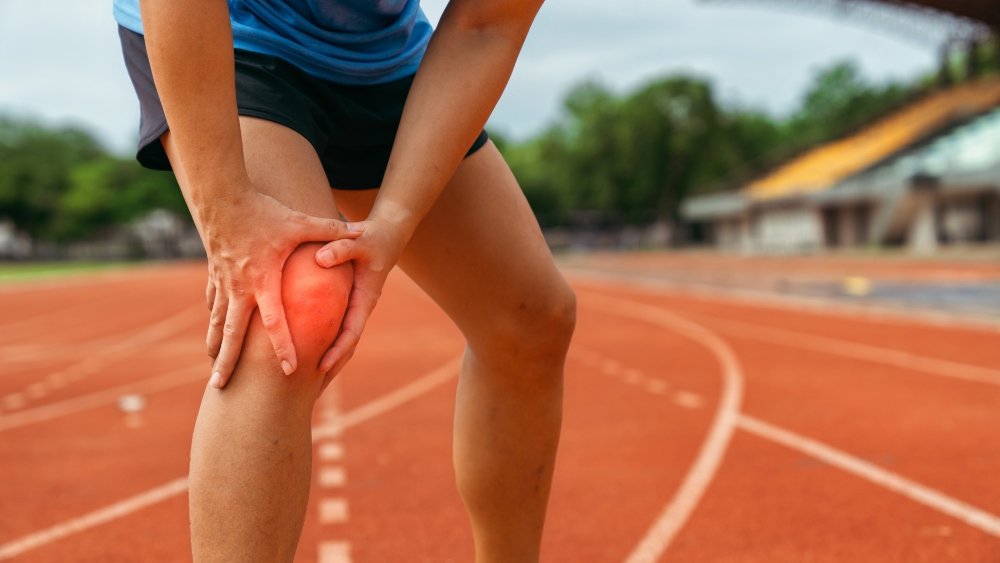
Runner’s Knee is the everyday term for Patellofemoral Pain Syndrome, a condition characterised by pain originating from the area around or behind the kneecap (patella).
The discomfort is often described as a dull, aching pain that worsens with activity. Symptoms may include difficulty loading the knee, reduced confidence with movement, or temporary strength inhibition due to pain.
Common activities that tend to trigger or aggravate Runner’s Knee include:
- Running, especially downhill
- Climbing or descending stairs
- Sitting for prolonged periods with bent knees
- Technical errors in running or sports movements
PFPS is commonly understood as a load-related condition which occurs when the demands placed on the patellofemoral joint exceed its current capacity to tolerate stress. Factors such as movement patterns, muscle strength, and training load can influence how forces are distributed through the knee, which may contribute to pain over time.
How Do You Develop Runner’s Knee?
Runner’s Knee rarely has a single cause. Instead, it usually develops due to a combination of biomechanical, muscular, and training-related factors.
Biomechanical Flaws
The knee does not function in isolation. Physiotherapists often refer to the “kinetic chain”, meaning that movement issues elsewhere in the body can directly affect the knee. Problems at the hips, ankles, or feet can alter how forces travel through the leg, increasing stress on the kneecap.
Weak Hip & Gluteal Muscles
When the hip and gluteal muscles are weak, they fail to control the position of the thigh bone during movement. As a result, the femur rotates inward, pulling the kneecap slightly out of alignment and increasing joint stress with every step.
Foot Pronation or Supination
Foot mechanics matter more than many runners realise. Excessive pronation or supination, often linked to poor arch support, can cause rotational forces to travel up the leg. Over time, this can disrupt knee alignment and contribute to Runner’s Knee.
Sudden Increase in Load
A classic trigger for PFPS is doing “too much, too soon”. Rapid increases in mileage, speed, or intensity can overload the knee before it has time to adapt.
Inappropriate Footwear
Running in worn-out shoes, or shoes that do not suit your gait and foot structure, reduces shock absorption and alters biomechanics, placing unnecessary strain on the knees.
Physiotherapist Guide to Preventing Runner’s Knee
Preventing Runner’s Knee is about improving dynamic knee stability. This means strengthening the muscles that support and control knee movement, particularly the hips and core, while carefully managing training load.
Use the Right Footwear
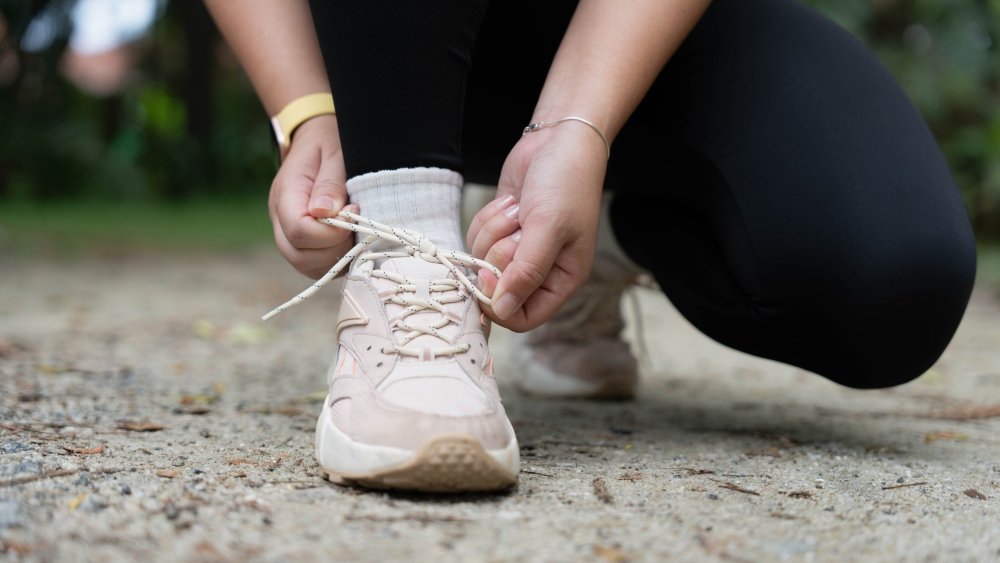
Choose running shoes that match your foot shape, gait pattern, and activity demands. Cushioning should be appropriate for your running volume and surfaces. For some runners, supportive footwear or orthotics may be helpful, particularly when used alongside strength training and gait retraining rather than as a standalone solution.
Stretch, Stretch, Stretch
Stretching can help maintain flexibility and support comfortable, efficient movement. While stretching alone is unlikely to prevent Runner’s Knee, when combined with strength training and appropriate load management, it can play a supportive role in helping the muscles around the hips, thighs, and calves function more effectively during running.
Maintain Consistency in Your Training Routine
Progression matters. Avoid sudden spikes in mileage or intensity, and resist the temptation to switch exclusively to uphill or high-impact running. Gradual, consistent training allows your body to adapt safely and sustainably.
Get a Physiotherapist’s Advice
A physiotherapist can provide expert insight into your movement patterns and training habits. Subtle technical errors often go unnoticed but can significantly increase injury risk over time. Early guidance helps prevent small issues from becoming chronic problems.
Switch It Up
Cross-training plays a valuable role in injury prevention. Alternating between activities such as jogging and swimming gives your joints time to recover while maintaining fitness. Varying running surfaces, including grass, track, and road, also helps reduce repetitive stress on the knees.
Addressing Runner’s Knee With Physiotherapy
Gait Analysis
Physiotherapists often use video-based gait analysis to assess your running cycle in detail. This allows them to identify subtle biomechanical flaws, such as excessive inward knee movement or inefficient stride patterns, that contribute to PFPS.
Manual Therapy
Hands-on techniques, including soft tissue massage and joint mobilisation, may provide short-term relief from pain and muscle tightness. This can help improve comfort and movement while also allowing patients to participate more effectively in strengthening and rehabilitation exercises.
Customised Risk Reduction Plan
At The Physio Circle, treatment goes beyond symptom relief. Our physio rehab programmes are designed to build resilience through targeted strengthening, mobility work, and smart training modifications aligned with your running goals, lifestyle, and physical needs.
Custom Orthotics or Supportive Footwear
Where appropriate, our physiotherapists may suggest supportive specific footwear options or refer you to a podiatrist for orthotics. These may help improve comfort and support how forces are distributed through the foot and knee during movement.
Run Further With The Physio Circle
Runner’s Knee can be managed with simple, consistent effort and the right guidance. Understanding your body, managing training load, and addressing biomechanical factors early are key to reducing the risk of future knee pain.
At The Physio Circle, we are your recovery partners. Our friendly, experienced team focuses on active rehabilitation and patient-centric care to help you move with confidence and reach your goals.
Don’t let knee pain sideline your passion for running. Book a knee physiotherapy session with The Physio Circle today to get to the root of your pain and build sustainable habits for your long-term knee health.