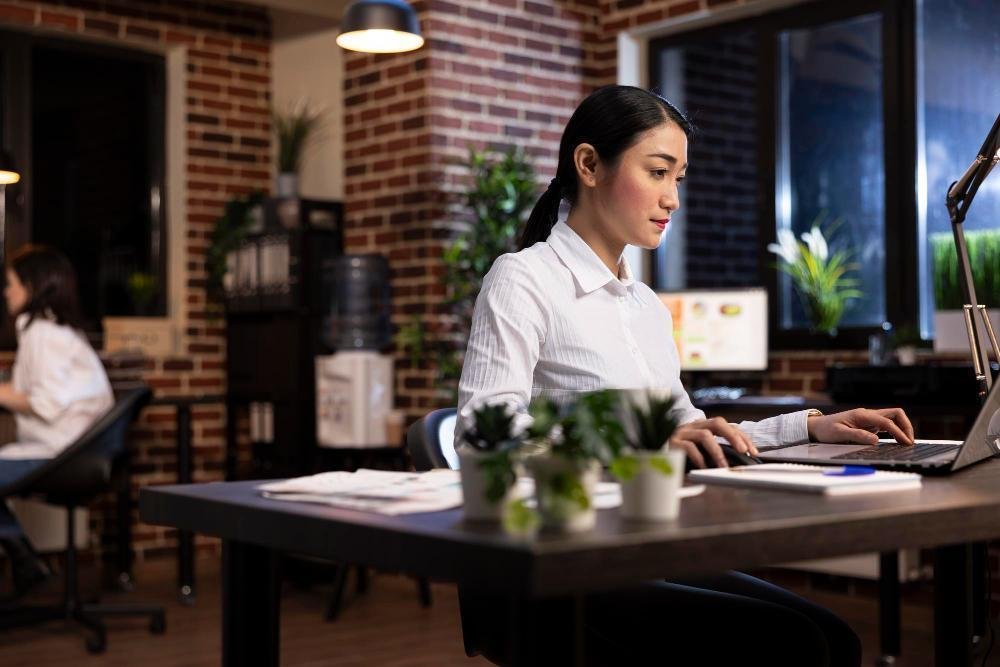
It’s three o’clock. You’ve been in back-to-back calls since morning, and when you finally stand up to refill your water, there’s that familiar pull at the base of your spine. A tightness across the hips that takes a few steps to shake off. You stretch, it settles, and you sit back down.
Most people read that sequence as a posture problem. Fix the chair height, raise the monitor, and the tightness goes away. That framing isn’t wrong. It’s just incomplete. The issue with a sedentary lifestyle isn’t how you sit; it’s how long you sit.
Beyond Posture: What Sustained Sitting Actually Does
An ergonomic workstation reduces some of the mechanical stress that comes with poor positioning. It doesn’t eliminate the stress that comes from staying still. Those are two different problems. One of the most common misconceptions is that there is a single “perfect posture” that prevents pain. In reality, the body generally tolerates a variety of postures well; the bigger issue is staying in the same position for too long without movement variation.
When a joint or muscle group is held in one position for an extended period, the surrounding tissue adapts. The body gradually adapts to sustained positions and reduced movement variability. Connective tissue stiffens. Joints that depend on movement to stay lubricated don’t get the input they need. This process is gradual and likely painless in the early stages.
The picture is worth clarifying for people who exercise regularly. Research on sedentary behaviour consistently shows that prolonged sitting carries independent musculoskeletal risks, separate from physical activity levels. Training four times a week doesn’t fully offset eight to ten hours of sustained sitting. The mechanisms are different, and both matter.
What Happens to Your Body When You Sit for Too Long
Three structures carry a disproportionate share of the load.
Hip Flexors and Glutes
The hip flexors run from the lumbar spine to the top of the femur. When you sit, they hold a shortened position for hours. Over time, they adapt to that position. The glutes tend to be used less during prolonged sitting. This combination, shortened hip flexors and underactive glutes, may alter the tilt of the pelvis. The lumbar spine compensates. This may contribute to increased stress in the lower back in some individuals. Bad posture from sitting all day is often a visible symptom of this structural adaptation.
Spinal Discs
The intervertebral discs that cushion your vertebrae rely on movement to rehydrate. They absorb fluid during off-loading and compress under load, a cycle that keeps them resilient and shock-absorbing. Prolonged sitting may contribute to increased lumbar stiffness and may aggravate symptoms in individuals already prone to lower back pain or disc-related irritation.
Joint Cartilage
Cartilage in the hips and knees has no direct blood supply. It receives nutrients from synovial fluid, which circulates through movement. Sustained inactivity reduces that circulation. Reduced movement may contribute to stiffness and reduced joint comfort over time. For adults already managing early joint wear with knee pain physio, a sedentary lifestyle may exacerbate the condition.
*This section contains general information. If you are experiencing persistent joint or back pain, consult your physiotherapist for an assessment specific to your situation.
Simple Ways to Break the Sitting Cycle
The single most effective change is also the most accessible: break up the sitting.
Movement breaks every 30 to 45 minutes are more helpful than a single longer break at the end of the workday. The goal isn’t an intensive session. Standing, walking to a colleague, or a few minutes of light movement may help reduce compressive spinal load and prompt synovial fluid circulation in the hips and knees. For anyone thinking about how to avoid a sedentary lifestyle without overhauling a work schedule, this is a practical starting point.
Meanwhile, for those wanting to counteract the specific patterns that prolonged sitting creates, two areas are worth prioritising:
Hip Flexor and Thoracic Mobility Work
Daily mobility work for the hips and thoracic spine may help offset some of the stiffness associated with prolonged desk-based work. Neither requires gym access. A kneeling hip flexor stretch held for 60 to 90 seconds per side, combined with thoracic extension over a rolled towel or chair back, takes under 10 minutes and is one of the more practical habits for desk-based workers. The same thoracic work is also relevant for those managing cervical load; if forward head posture is part of the picture, the guidance on managing tech neck addresses that pattern specifically.
These are among the more useful exercises for sitting all day, precisely because they target the adaptive changes that accumulate in that position. For those who want a more structured approach, a personal trainer for rehabilitation can build progressive movement work into a programme that fits around a desk-based schedule.
Standing Desks: Useful, but Limited
Standing desks reduce sitting time, which is a genuine benefit. They don’t solve the underlying issue if the trade-off is maintained in a single position. The goal is movement variety across the day, not a different static posture. A standing desk works better as a tool for alternating positions throughout the day than as a direct replacement for a seated setup.

When to Seek Professional Help
A certain degree of stiffness after a long day at a desk is normal. It becomes worth addressing when it stops being occasional.
Persistent lower back tightness that doesn’t resolve after a night’s sleep, hip stiffness that limits your movement in the morning, or recurring tension that returns quickly after stretching may each point to a pattern that stretching alone won’t correct. These aren’t problems that appeared overnight. They developed through months of the same loading habits, and addressing them properly means identifying which structures are involved and why.
An assessment at a physiotherapy clinic in Singapore may give you a clearer picture of what’s contributing, and what a targeted plan of manual therapy and progressive exercise should address. Our team regularly works with desk-based professionals, and the work goes beyond posture advice to examine the movement patterns and load habits that are actually driving the problem.
If you’ve been managing the same tightness on and off for longer than a few weeks, an assessment can be more helpful than another round of the same stretches.