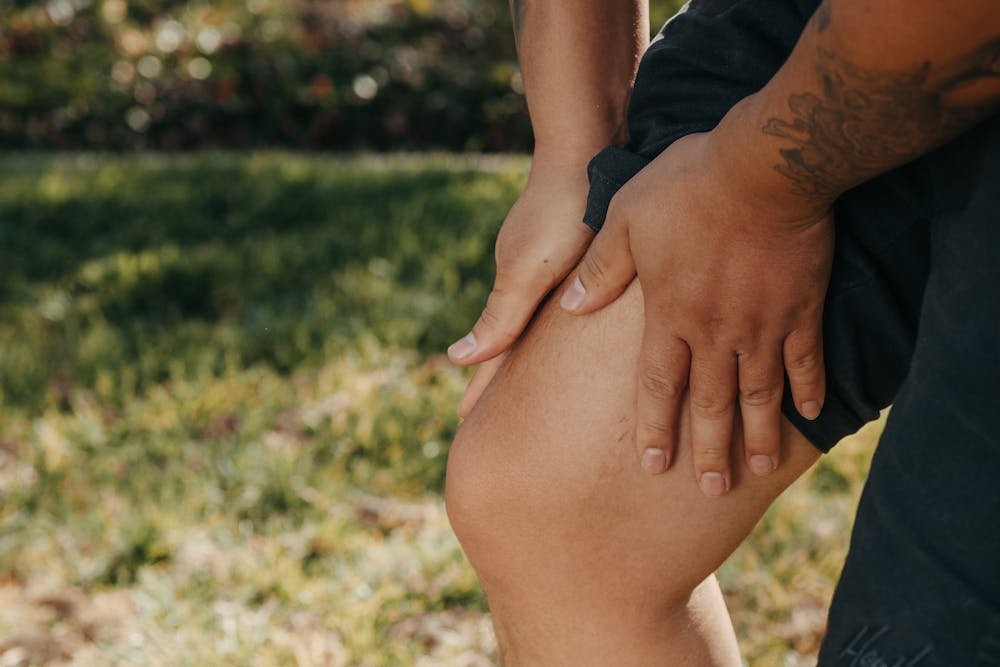
If you’ve ever thought, ‘I feel pain when I bend my knee’, you’re not alone. Knee pain when bending is a common issue that can affect anyone, from office workers to athletes. In Singapore, where walking, climbing stairs and active lifestyles are the norm, discomfort during knee flexion can quickly become disruptive.
The good news? Most causes of knee pain are manageable, especially when supported by personalised physiotherapy. But before jumping into stretches or strength work, it’s essential to understand what’s actually causing the pain.
What Causes Knee Pain When Bending?
Bending your knee is like putting your joint through a mini stress test. It increases contact between your kneecap and thigh bone, stretches surrounding tendons and compresses soft tissue. If something’s not right, that’s when you’ll feel it.
Here are a few common knee pain causes to consider:
- Meniscus Tears: The menisci are C‑shaped cartilage cushions that help distribute forces and stabilise the knee. A tear may cause catching, sharp pain or a sense of mechanical blockage during bending.1
- Runner’s Knee (Patellofemoral Pain Syndrome): This condition tends to produce a dull ache behind the kneecap that worsens with deep flexion, stair climbing and after prolonged sitting.2
- Tendinopathy: Overloading the tendons — particularly the quadriceps or patellar tendons — can cause pain just above or below the kneecap, worsened by bending or impact.
Identifying the specific structure involved is the first step to stopping the pain cycle. A trained knee pain physio can help guide this process through physical assessments and movement analysis.
How to Manage Knee Pain
If you’re wondering how to relieve knee pain, it’s helpful to split the answer into short-term relief and long-term strategy.
Short-term Relief:
- Ice (15–20 mins post-activity) for pain management if the knee is irritated or flared up.
- Heat for tight muscles or morning stiffness.
- Over-the-counter supports or braces for temporary comfort.
These small daily actions have the potential to speed up your physical recovery.
Long-term Management:
This involves adjusting your activity load, a concept called Relative Rest. Rather than complete inactivity, you continue moving (e.g. walking, freestyle swimming) but avoid the specific deep-bending angles that aggravate the knee.
Once acute symptoms ease, the most effective knee pain management strategy is to strengthen the support system around the joint. That’s where physiotherapy and rehab personal training come in.
Physiotherapy Exercises for Knee Pain
Protecting your knee means strengthening its natural shock absorbers: your glutes, quads and hamstrings. Here are a few low-risk, beginner-friendly exercises to try:
- Wall Squats (with shallow depth): Builds quad strength while keeping knees aligned
- Glute Bridges: Strengthens glutes and hamstrings for better hip-knee control
- Hamstring Stretches: Improves flexibility to reduce tension around the knee
- Clamshells: Targets hip stabilisers for improved joint alignment
These exercises form part of many physiotherapy programmes for knee pain. However, be cautious: generic YouTube routines may seem helpful, but if the wrong structure is loaded too early, pain can worsen. That’s why seeing a professional for knee pain physiotherapy is often safer and more effective.
Take the Next Step with The Physio Circle
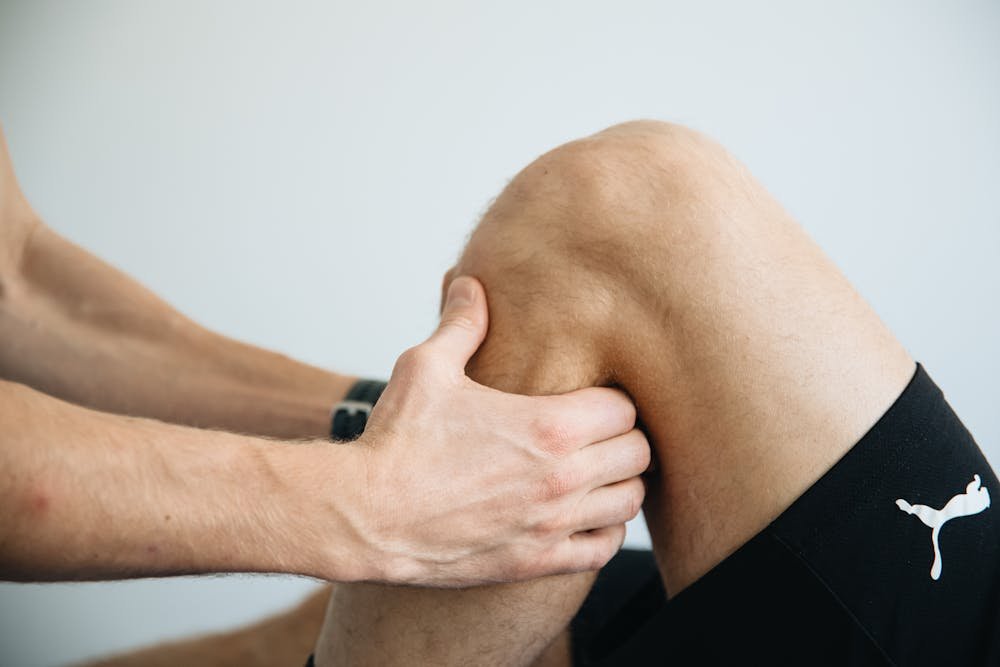
You don’t have to live with discomfort every time you bend your knee. Whether you’re recovering from a common sports injury, surgery or daily strain, understanding your body’s mechanics and strengthening the right areas can make all the difference.
At The Physio Circle, our team offers:
- Sports physiotherapy treatment in Singapore
- Knee pain physio and manual therapy
- Integrated services including surgical physiotherapy, physio sports massage and rehab personal training for ongoing support
Ready to move freely again?
Contact The Physio Circle today to schedule your personalised knee pain assessment and take the first step toward confident, pain-free movement.
References:
2 – Physiopedia