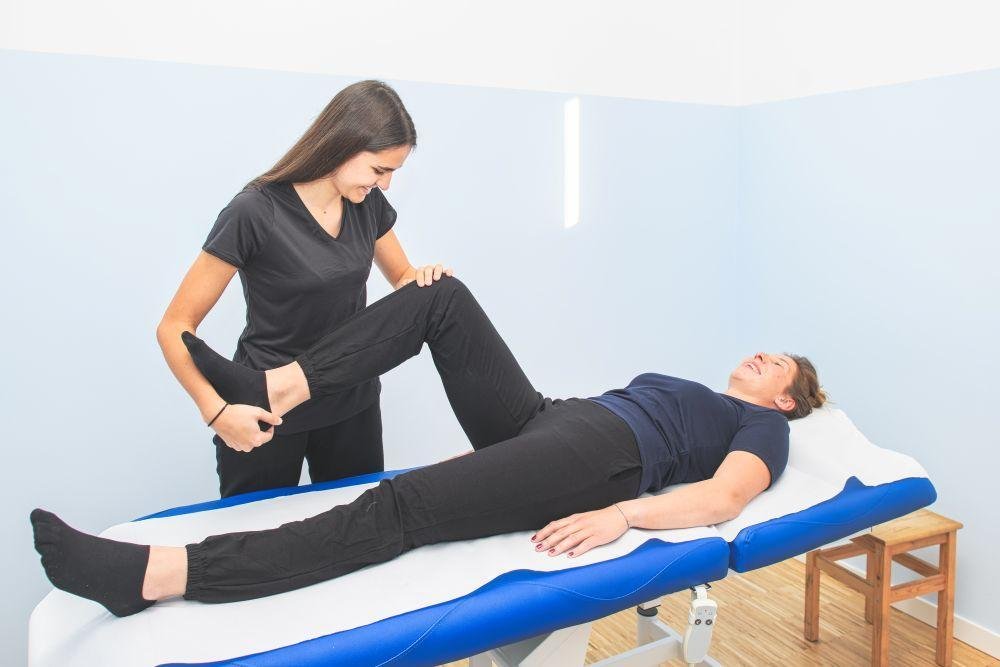
Physio, chiropractic, and osteopathy all address musculoskeletal complaints. Professionals in all three disciplines can see someone with back pain, a stiff neck, or a persistent joint problem and offer recommendations for pain relief and management.
While most people search which is better (i.e. “Which is better for pain a physio, chiro or osteo?”) this is not the most useful frame. The more relevant question is what each discipline actually does, how their approaches differ in practice, and which is the better fit for a specific complaint.
Here is a clear look at the difference between physiotherapist, chiropractor, and osteopath, and what to consider when deciding which to see.
What Each Discipline Involves
| Physiotherapy | Chiropractic | Osteopathy | |
| Regulatory status in Singapore | Allied health profession regulated by the Allied Health Professions Council (AHPC) | Complementary medicine; not a medical profession and not registered under the Medical Registration Act | Complementary medicine; MOH currently has no plans to regulate osteopaths as allied health professionals |
| Underlying framework | Bio-psychosocial – considers physical, psychological, and lifestyle factors together | Centres on relationship between spinal alignment and nervous system function | Whole-body structural approach; structural balance supports the body’s capacity to function |
| Primary interventions | Exercise-led rehabilitation, hands-on treatment, progressive loading | Manual spinal adjustment | Manual techniques across muscles, joints, connective tissue, and soft tissue |
| Scope | Musculoskeletal, neurological, post-surgical, sports injury | Primarily spinal and nervous system | Whole-body structural presentations |
Note: These regulatory distinctions are factual. They are not quality judgements on what each discipline offers.
How their Approaches Differ in Practice
The difference between a physiotherapist, chiropractor, and osteopath becomes clearer when you look at what each practitioner actually does in a session.
Physiotherapy: Assessment typically covers the history of the complaint, movement and strength testing, and contributing factors such as load patterns or biomechanics. Treatment combines hands-on work with a progressive exercise and rehabilitation programme designed to address the underlying cause and build physical capacity over time.
Chiropractic: Typically involves assessment of spinal alignment followed by manual or assisted adjustment. The anatomical focus is narrower: the spine and its relationship to the nervous system. For presentations that are primarily spinal in nature, manual adjustment is typically the central tool utilised.
Osteopathic: A session works manually across the whole body, not just the spine. The osteopath typically applies techniques to muscles, joints, connective tissue, and soft tissue in a more systemic way, based on the view that structural balance across the body contributes to overall function.
Where they Overlap and Where they Diverge

Back pain treatment, neck pain, joint stiffness, and some headache presentations sit in an area where any of the three disciplines may be relevant. For these complaints, a reader might reasonably consider all three, and many people try more than one over time as pain and discomfort persist.
Divergence becomes clearer at the edges of each scope:
- Post-surgical rehabilitation involves structured, progressive loading and coordination with a surgeon, specialist, or conditioning coach. This typically sits within physiotherapy’s scope.
- Neurological conditions and movement disorders are within physiotherapy’s scope; less so for chiropractic and osteopathy.
- Primarily spinal complaints where manual adjustment is the preferred approach may be better suited to chiropractic or osteopathic care.
- Whole-body structural presentations where the appeal is manual work across multiple areas simultaneously are more aligned with osteopathy’s approach.
- Sport-specific injuries requiring return-to-activity milestones and load management as part of a structured rehabilitation programme sit within physiotherapy’s scope.
Comparisons are often made between chiropractic versus physiotherapy. The most significant practical distinction is that physiotherapy is exercise-led and rehabilitation-focused, where chiropractic relies primarily on manual adjustment to the spine.
As for osteopaths versus physiotherapists; osteopathy better suits readers looking for structural manual work across the body. While physiotherapy suits those whose complaint involves progressive rehabilitation, functional goals, or a condition extending beyond the spine.
All three disciplines have real overlaps and real divergences too. Knowing which side your complaint falls on is what makes the chiropractor vs physiotherapist vs osteopath difference a practical one rather than a matter of preference.
How to Decide Which to See
A few considerations can help narrow this down.
- The complaint follows surgery or injury and requires structured, progressive rehabilitation → physiotherapy is the appropriate starting point.
- The goal is a specific functional outcome, such as returning to sport, rebuilding strength, or managing a condition involving multiple joints and movement patterns → Visiting a physiotherapy clinic in Singapore could be beneficial.
- The complaint is primarily spinal and manual adjustment is the preferred approach → chiropractic could be a reasonable option to explore.
- A whole-body manual approach addressing structural balance across multiple areas is the appeal → osteopathy might be worth considering.
- You have seen one discipline without sustained resolution → a different approach may be appropriate; worth discussing with a qualified practitioner or trusted medical professional.
Certain signs and symptoms, such as severe or unexplained pain, numbness, tingling, weakness, or signs of systemic illness, may indicate the need for further medical evaluation. Physiotherapists are trained to identify these red flags and will refer patients to the appropriate medical professional if needed.
Getting the right assessment
For presentations involving a movement problem, load or strength issue, post-surgical recovery, or a persistent musculoskeletal complaint that has not fully resolved with other care, a physiotherapy assessment can help give a clearer picture of what is contributing and what the work needs to address.
Our team at The Physio Circle works across a wide range of musculoskeletal conditions including sports injury physio in Singapore and post-operative rehabilitation. If your complaint fits the physiotherapy scope described in this piece, an assessment is a practical next step. Get in touch to find out what the assessment covers and where it would start for your situation.
This article contains general information only. If you are experiencing pain or a musculoskeletal condition, consult a qualified healthcare professional for advice specific to your situation.